It’s match point. You’ve worked hard to get here, the rally is intense, and you go to drive the ball cross-court. Your hand slips slightly on contact. The shot goes wide. Point lost.
You look down at your grip and realise you’ve been playing on the same worn-out overgrip for three months. It’s shiny, smooth, and about as grippy as wet plastic. You knew it needed changing. You just never got round to it.
Every padel player has been there. Overgrips are one of those things that are cheap, easy to replace, and make a noticeable difference to how a racket feels in your hand. Yet they’re also the most neglected piece of kit in most players’ bags. A fresh overgrip gives you better control, reduces the chance of the racket twisting on off-centre hits, and is a lot kinder to your forearm over a long session.
Here’s what to look for, followed by the five best overgrips you can buy in the US right now.
What Makes a Good Overgrip?
Not all overgrips are built the same, and the right one depends on your hands and playing conditions.
Absorbency is the most important factor for players who sweat a lot. A highly absorbent overgrip draws moisture away from your palm and keeps the surface feeling dry even deep into a match. If you play outdoors in warm weather or tend to sweat heavily, this should be your priority.
Tackiness is what matters most for players with drier hands. A tacky overgrip feels slightly sticky, which helps keep the racket secure without needing to grip too hard. Over-gripping is one of the most common causes of tennis elbow in padel players, so a tacky overgrip that lets you hold the racket more loosely is genuinely good for your arm.
Thickness affects how the racket feels in your hand. Thicker overgrips add cushioning and bulk up the handle slightly. Thinner ones preserve the original feel of the grip and keep you closer to the racket. Most players have a preference once they’ve tried both.
Durability is the practical consideration. Some overgrips last a handful of sessions, others wear out after one intense match. Better durability means fewer replacements, which matters if you play regularly.
The 5 Best Padel Overgrips in 2026
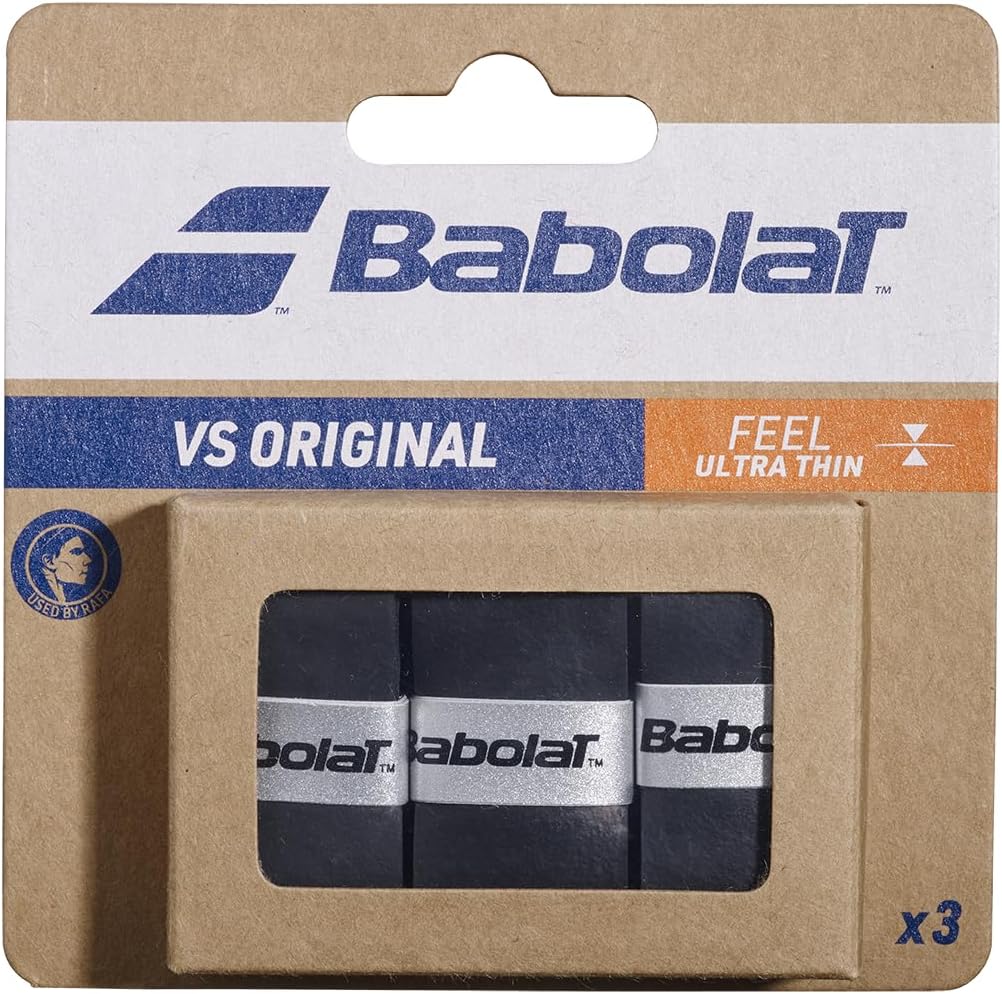
1. Wilson Pro Overgrip (~$9 for 3-pack)
The Wilson Pro Overgrip is the most popular overgrip in racket sports, full stop. It’s used by professionals across tennis and padel and has been the benchmark for tacky overgrips for years. The feel is smooth and slightly sticky, the thickness sits at a comfortable 0.6mm, and it wraps onto a handle easily thanks to the tapered starting end. For padel specifically, Wilson produces a version sized for padel racket handles, which is worth picking up over the standard tennis version.
It’s the right choice for most players as a starting point. If you’re not sure which overgrip suits you yet, start here. You can always try others once you know what you’re comparing against.
Buy on Amazon | Buy on Padel USA
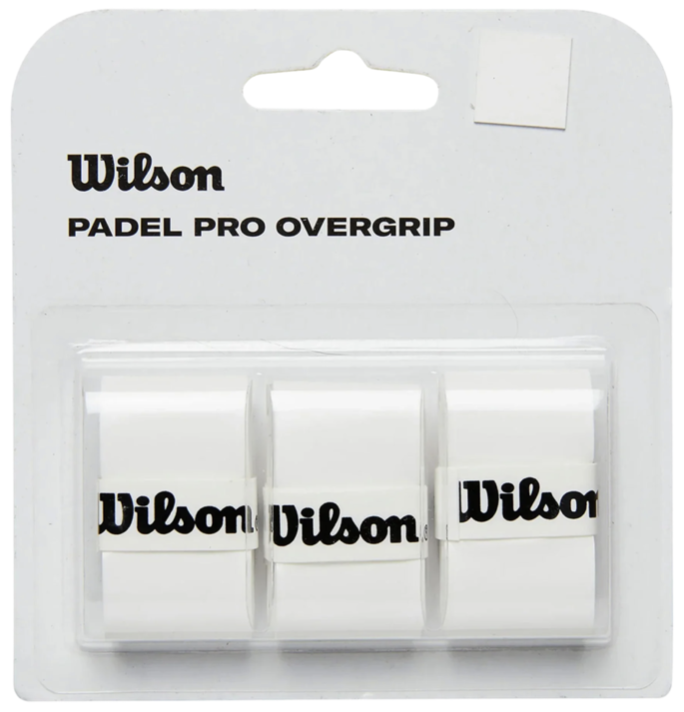
2. Babolat VS Original Overgrip (~$8 for 3-pack)
The Babolat VS Original is for players who want a thin, precise feel with good absorbency. At just 0.44mm it’s one of the thinnest overgrips on the market, which means it adds almost no bulk to your handle and keeps you feeling very connected to the racket. It has a dry rather than tacky feel, making it ideal for players with sweaty hands or those who play in warm conditions.
Rafael Nadal famously uses the VS Original, which tells you something about how it performs under pressure. It’s not the most durable overgrip out there and may need replacing more often than some alternatives, but the feel it delivers while fresh is hard to beat.
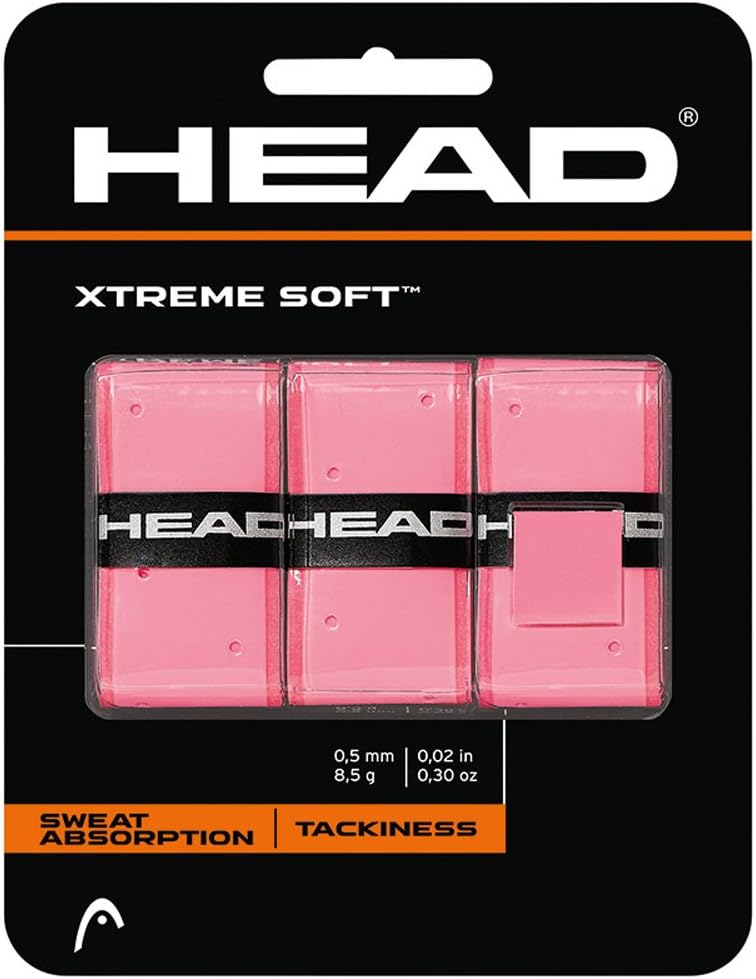
3. Head Xtreme Soft Overgrip (~$8 for 3-pack)
The Head Xtreme Soft lives up to its name. It’s one of the more cushioned overgrips on the market, made from a soft elastomer material that feels comfortable in the hand even over long sessions. It offers a good level of tackiness and moderate absorbency, making it a versatile option for club players who want something that works in most conditions without overthinking it.
It’s the best option on this list for players who find their hand gets uncomfortable or tired during long sessions. The extra softness reduces vibration slightly and makes the racket feel more forgiving to hold. Good for beginners and intermediate players who play a couple of times a week.
4. Tourna Grip Original (~$8 for 3-pack)
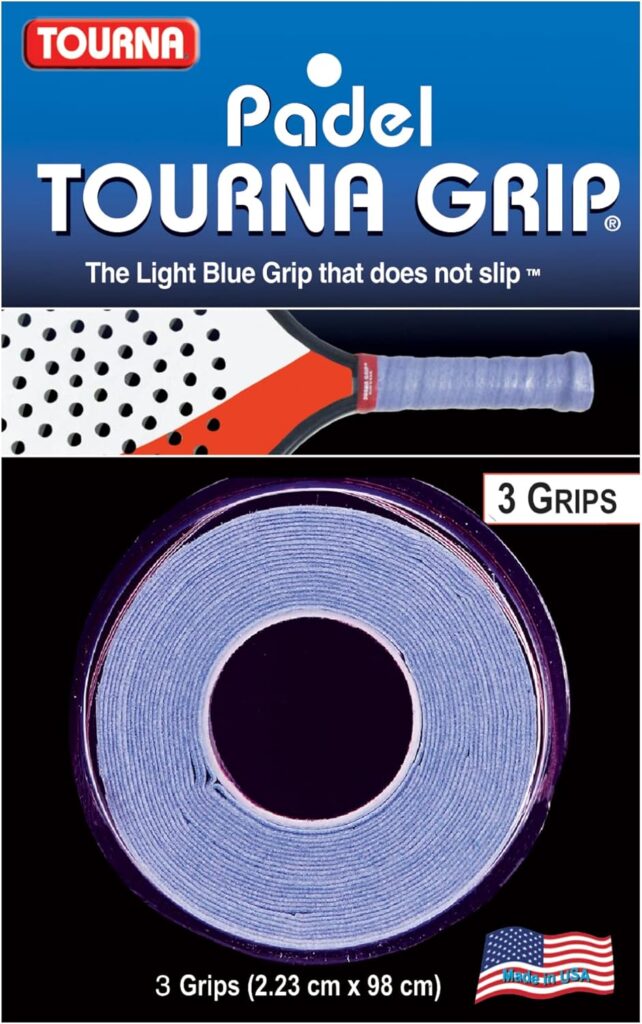
Tourna Grip is the go-to for players who sweat heavily. It works differently to tacky overgrips because it uses a dry, absorbent material that actually gets grippier as it gets wetter. That sounds counterintuitive, but it works remarkably well. The more you sweat, the better the grip holds. It’s been used by professional players for decades for exactly this reason.
The tradeoff is durability. Tourna Grip wears out faster than tacky overgrips and needs replacing more frequently, especially if you play often. But at around $8 for a 3-pack it’s cheap enough that this doesn’t feel painful. If you play in hot, humid conditions or simply have sweaty palms, this is the one to get.
5. Dunlop Gecko-Tac Overgrip (~$7.49 for 3-pack)
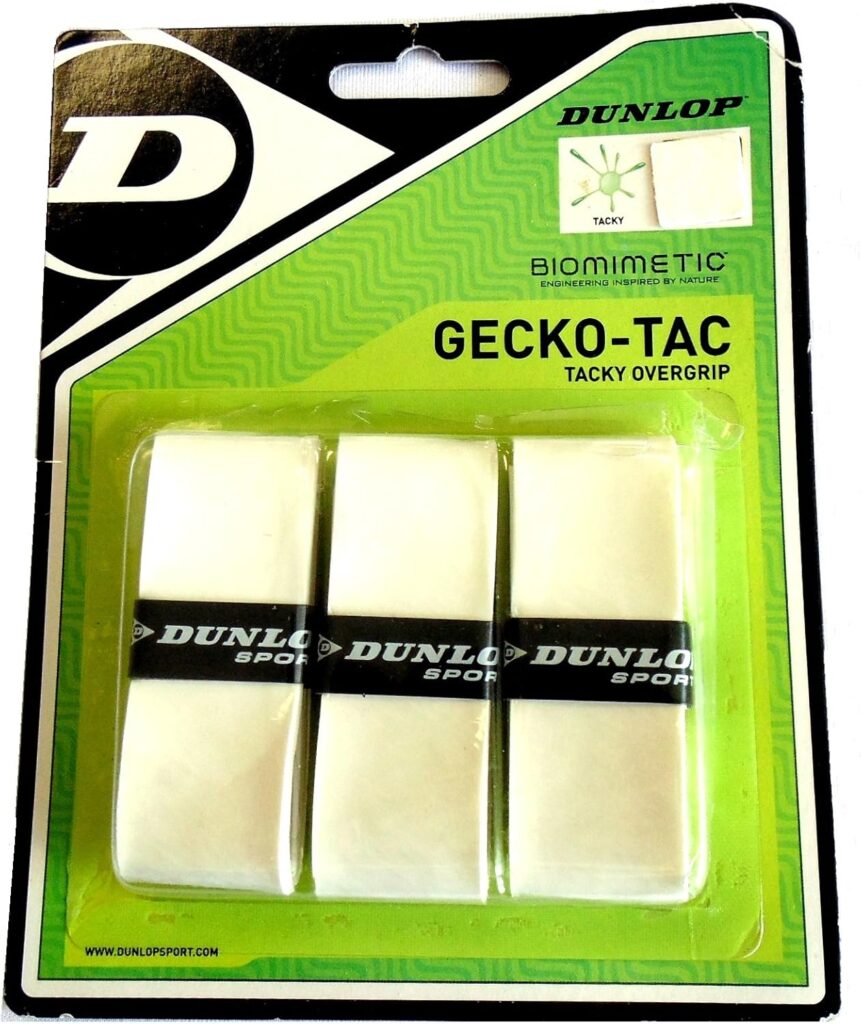
The Dunlop Gecko-Tac is named for a reason. It’s one of the tackiest overgrips available without crossing into the territory of feeling uncomfortably sticky. It provides excellent traction and holds that tack well over time, lasting longer than many tacky overgrips before it needs replacing. It’s also notably durable, making it a solid value pick for players who don’t want to be changing their overgrip every few sessions.
For intermediate players who want a reliable, grippy overgrip that doesn’t need constant replacing, the Gecko-Tac is a great choice. It works well in drier conditions and for players who prefer to feel firmly connected to their racket throughout a match.
How Often Should You Replace Your Overgrip?
More often than you probably do. As a general rule, if you play two or three times a week, replace your overgrip every two to three weeks. If you play more often, or sweat a lot, once a week is not excessive.
The simplest test is feel. Run your thumb across the grip. If it still feels slightly tacky or textured, it’s fine. If it feels smooth, shiny, or slippery, it’s done. Another sign is discolouration: an overgrip that’s gone grey or dark from moisture and dirt has lost most of its performance properties.
Buying overgrips in packs of 12 rather than 3 works out significantly cheaper per grip and means you’ll always have a fresh one on hand. It removes the barrier of having to go out and buy one every time you need a change.
How to Apply an Overgrip
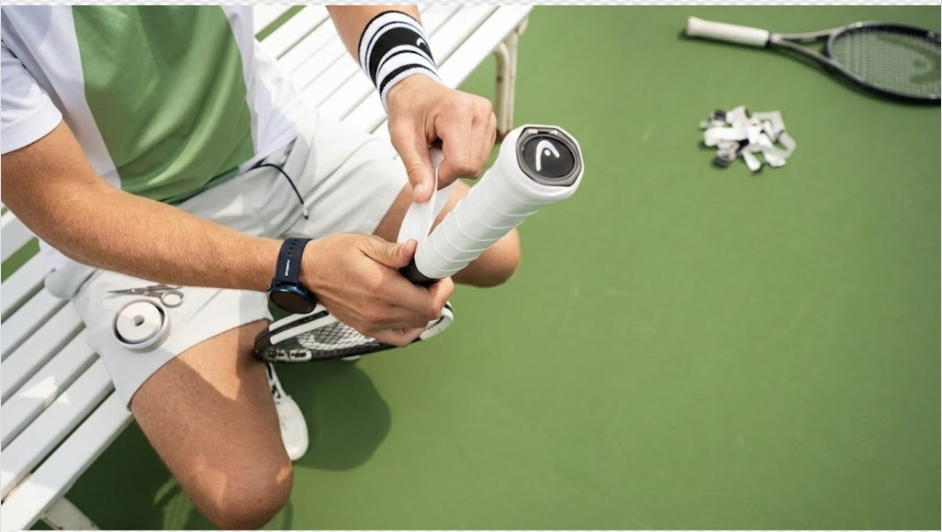
It’s easier than it looks. Start at the base of the handle near the butt cap, angling the grip at about 45 degrees as you begin. Keep consistent tension as you wrap upward, overlapping each pass by about 2 to 3mm. When you reach the top of the handle, secure the end with the adhesive strip or finishing tape that comes in the pack.
The key is keeping even tension throughout. Too loose and the grip will shift during play. Too tight and it can feel stiff and uncomfortable. After a few attempts it becomes second nature, and most players can change an overgrip in under a minute.
Watch Video on How To Apply Padel Overgrip
Final Thoughts
Overgrips are one of the cheapest upgrades you can make to your padel game and one of the most overlooked. A fresh grip costs less than a coffee and can genuinely change how a racket feels in your hand. If you’re not sure where to start, the Wilson Pro Overgrip is the safest first choice. From there you can experiment with different feels until you find what suits your game.
Keep a few spare in your bag. There’s no good reason to be playing on a dead grip.
If you’re still figuring out your overall racket setup, our beginner’s guide to choosing a padel racket covers everything you need to know before you even think about overgrips
Affiliate Disclosure: Some links in this article are affiliate links. If you buy through them, we may earn a small commission at no extra cost to you. We only recommend gear we’d actually use.