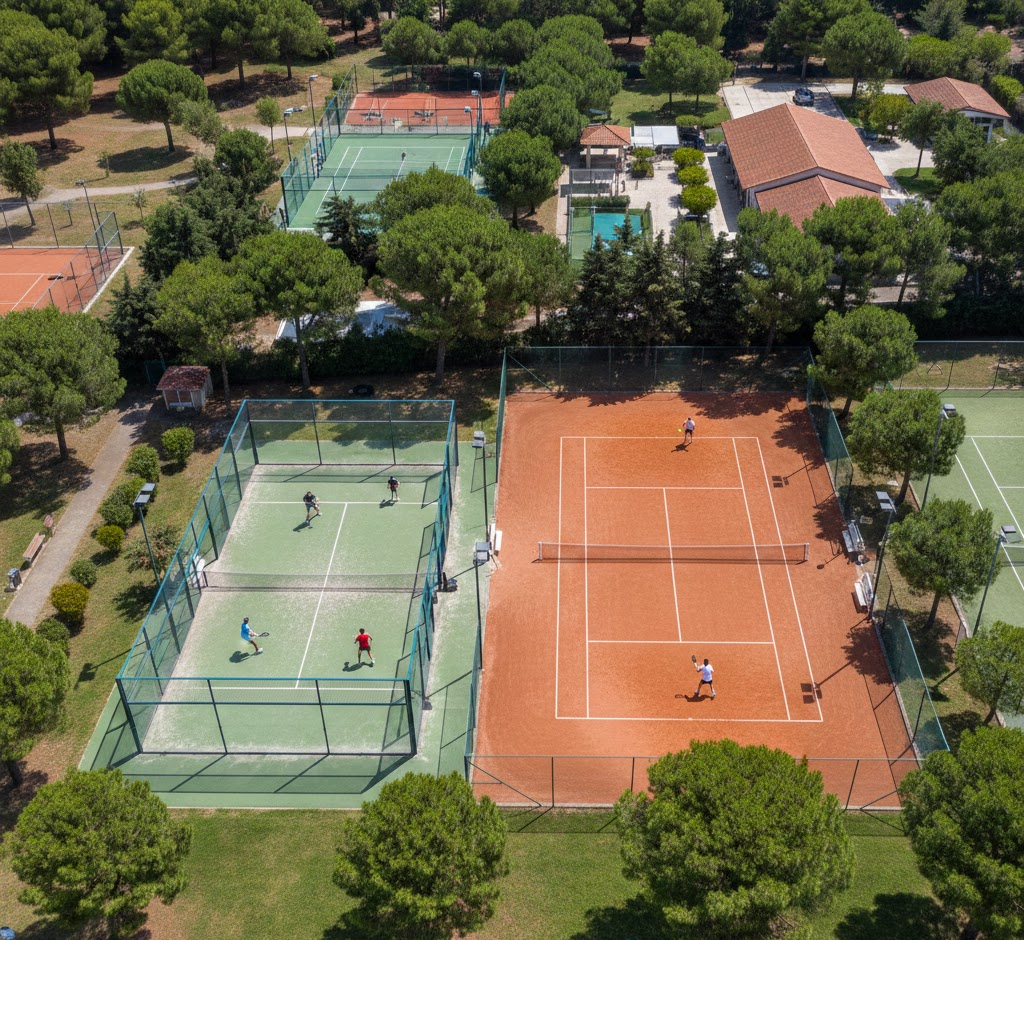
You have played a handful of times now. You know the basic rules, you can get the ball back most of the time, and you are genuinely enjoying it. But you keep losing. Not just to experienced players, which makes sense, but to people who also seem like beginners. Points end before you understand what happened. Your shots go into the net, or sail out, or just sit up nicely for your opponent to put away. You leave the court thinking: I really want to get better at this. I just do not know where to start.
That is a completely normal place to be. Padel has a way of looking simple from the outside and feeling surprisingly complicated once you are actually inside the glass. The good news is that improvement comes quickly once you know what to focus on. Here is how to actually get better.
Why Padel Is Trickier Than It Looks
Most people discover padel through a friend who makes it look effortless. Rallies go back and forth, balls come off the walls at interesting angles, everyone seems relaxed and in control. Then you step on court and realise that reading those wall bounces, managing the small court space, and coordinating with a partner all at once is genuinely challenging.
The game rewards patience and positioning over raw athleticism. That is different from most sports where effort and hustle alone can get you a long way. In padel, playing harder does not automatically mean playing better. In fact, the players who improve fastest are usually the ones who slow down and focus on the right fundamentals early on.
Six Ways to Actually Improve
Focus on Consistency Before Power
This is the single most important mindset shift for a beginner. The urge to hit hard is natural. Power feels good. But at the early stages of padel, the player who hits the ball back reliably is going to beat the player who swings for winners and misses half of them. Every time.
So before you start thinking about pace, think about placement. Can you get the ball back low and towards the middle of the court? Can you do that three times in a row? Five? The players who improve fastest are the ones who build a reliable, repeatable stroke first and add power later. Consistency is your foundation. Everything else gets built on top of it.
Learn to Use the Walls Properly
The walls are what make padel unique. They are also what confuses most beginners. The natural instinct when a ball comes off the back wall is to panic, back away, and swing hard. That almost never works. The better approach is to let the ball come to you, stay close to the wall, and play it with control rather than force.
Start by watching how the ball behaves off the back glass versus off the side walls. The angles are different, and the bounce varies depending on how the ball hits the surface. The more time you spend just observing those bounces in practice, the less surprising they will feel in a real match. Experienced players are not reacting faster than you. They have just seen those patterns enough times that nothing feels unexpected.
Master the Serve First
The serve in padel looks like a minor part of the game, and beginners often skip past it without much thought. That is a mistake. A good serve puts your team in the right starting position immediately. A bad serve hands the initiative to your opponents before the point has really begun.
The padel serve is underarm and needs to land in the service box diagonally opposite you. It sounds simple enough. What most beginners miss is that a well-placed serve, aimed at your opponent’s backhand or deep toward the body, forces a weak return and gives your partner at the net a real opportunity. Spend time in practice just serving. Get it consistent and purposeful. It will pay off in matches sooner than you think.
Play With Better Players
This one feels uncomfortable to suggest, and it might feel even more uncomfortable to do. Nobody wants to be the weakest player on the court. But playing with people who are better than you is one of the fastest ways to improve at padel.
Better players rally more consistently, which means you get more time on the ball. They position well, which forces you to move and think more carefully. They also tend to give feedback naturally through how they play, showing you by example where to be and what to do without anyone needing to lecture you. Try to find a club night or an open session where the levels are mixed. Play up when you can. You will lose more, but you will learn faster.
Watch Your Positioning on Court
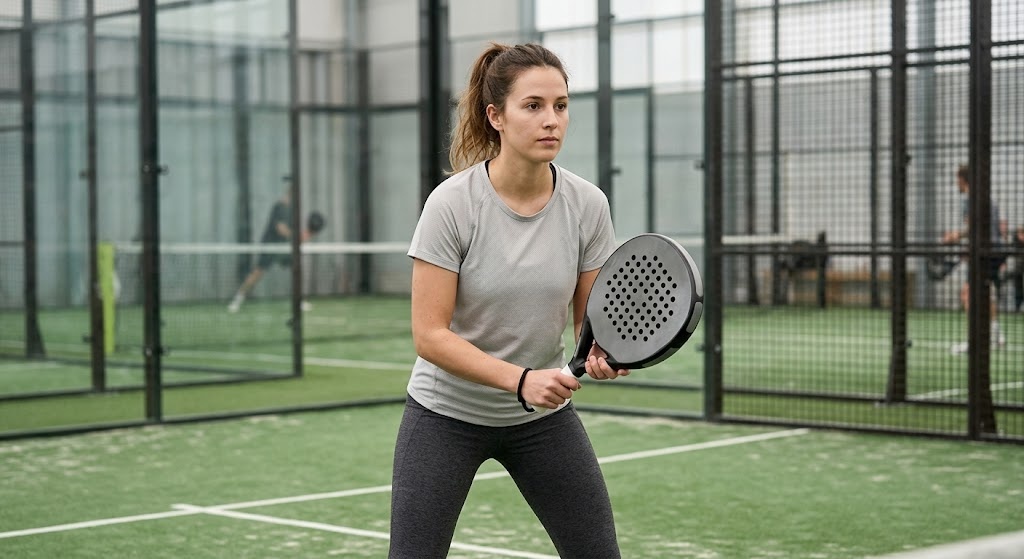
Padel is a game of two halves. When your team is at the net, you should be up at the net together. When you are defending from the back, you should be side by side near the baseline. The most common beginner mistake is not moving as a unit. One player drifts forward while the other stays back, and suddenly there are large open spaces your opponents can exploit easily.
Think of you and your partner as one team moving together rather than two individuals doing separate things. When your partner moves left, you cover the right. When they come forward, you follow. Getting your positioning right will win you points that have nothing to do with the quality of your shots. It is one of the simplest things to improve, and the difference it makes is immediate.
Invest in the Right Gear
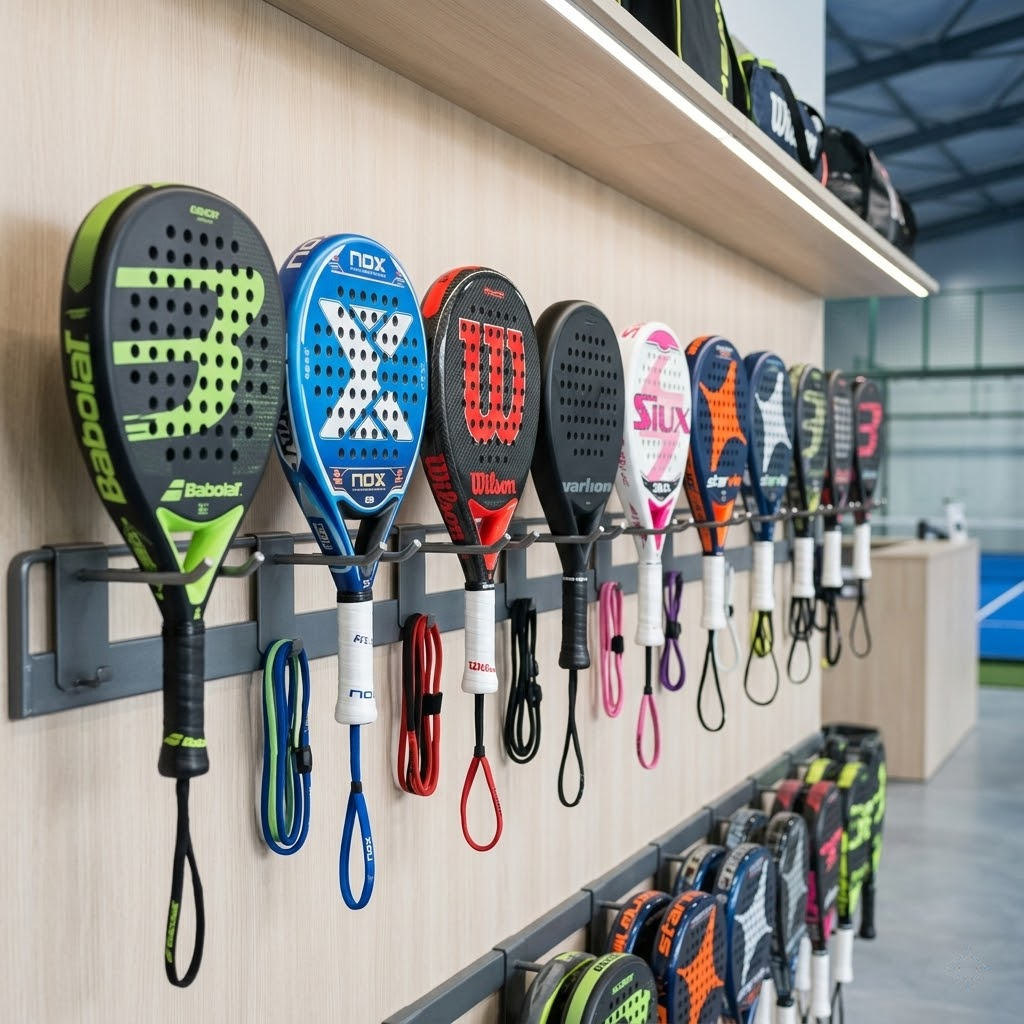
You do not need to spend a lot of money to enjoy padel as a beginner. But having the right gear does matter, and the most important piece is the racket. Many beginners start out with whatever racket the club provides, which is often old, heavy, or just not suited to a developing player. Switching to a proper beginner racket makes the game noticeably easier.
A good beginner racket is round-shaped, light, and forgiving. It has a larger sweet spot, which means your mishits do not punish you as badly, and a softer core that makes controlling the ball much more manageable. If you are serious about improving, it is worth buying your own. Check out our guide to the Best Padel Rackets for Beginners for specific recommendations, or if you are unsure what to look for, our How to Choose a Padel Racket guide walks you through it step by step. Good shoes are also worth the investment. The court surface is specific, and a pair of proper padel shoes will improve your grip and your movement straight away.
Frequently Asked Questions
How Long Does It Take to Get Good at Padel?
It depends on what you mean by good and how often you play. Most beginners start feeling genuinely comfortable on court somewhere between three and six months of regular play. Getting to a competitive intermediate level usually takes one to two years. The learning curve is real, but improvement feels satisfying at every stage, which is a big part of why people get hooked on the game.
Should Beginners Take Padel Lessons?
Yes, if you have access to coaching and can afford it. Even two or three lessons with a good coach early on can save you months of reinforcing bad habits that are harder to undo later. A coach will fix your grip, footwork, and stroke mechanics in ways that self-teaching rarely achieves cleanly. That said, plenty of players improve significantly without formal lessons, especially by playing regularly with more experienced partners.
How Often Should I Practice Padel as a Beginner?
Two to three times per week is a solid target. Any less and you tend to lose the small improvements between sessions. The consistency of showing up regularly matters more than the number of hours in any single session. A focused one-hour game twice a week will take you further than one long session every couple of weeks.
What Is the Most Important Skill to Develop First in Padel?
Consistency. The ability to get the ball back reliably, low and to a reasonable target, is the foundation of everything else. Beginners who focus on this before anything else progress significantly faster than those who chase power or try to learn advanced shots too early. Once you can keep the ball in play without unforced errors, every other part of your game gets easier to build from there.
Does Having a Good Racket Make a Difference as a Beginner?
Yes, more than most people expect. A racket that is too heavy or too stiff makes the fundamentals harder than they need to be. A proper beginner racket with a round shape and forgiving sweet spot lets you focus on technique rather than fighting your equipment. You do not need an expensive pro model. An $80 to $120 beginner racket is a reasonable investment and will genuinely make the learning process more enjoyable.
Keep Showing Up
Padel is one of those sports where the improvement curve is steep early on, and then something clicks. Rallies start making sense. Your positioning becomes instinctive. The walls stop feeling like obstacles and start feeling like part of your game. None of that happens overnight, but it does happen, and usually faster than you expect.
The players who get good at padel are not the ones with the most natural talent. They are the ones who kept showing up, played with people better than them, and focused on the basics without getting impatient. Be one of those players. The results will follow.