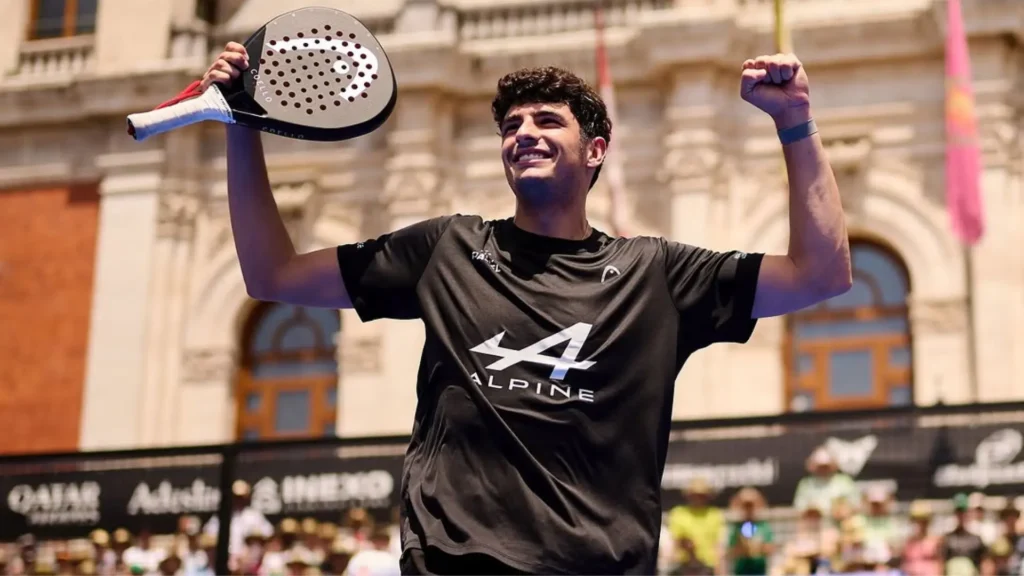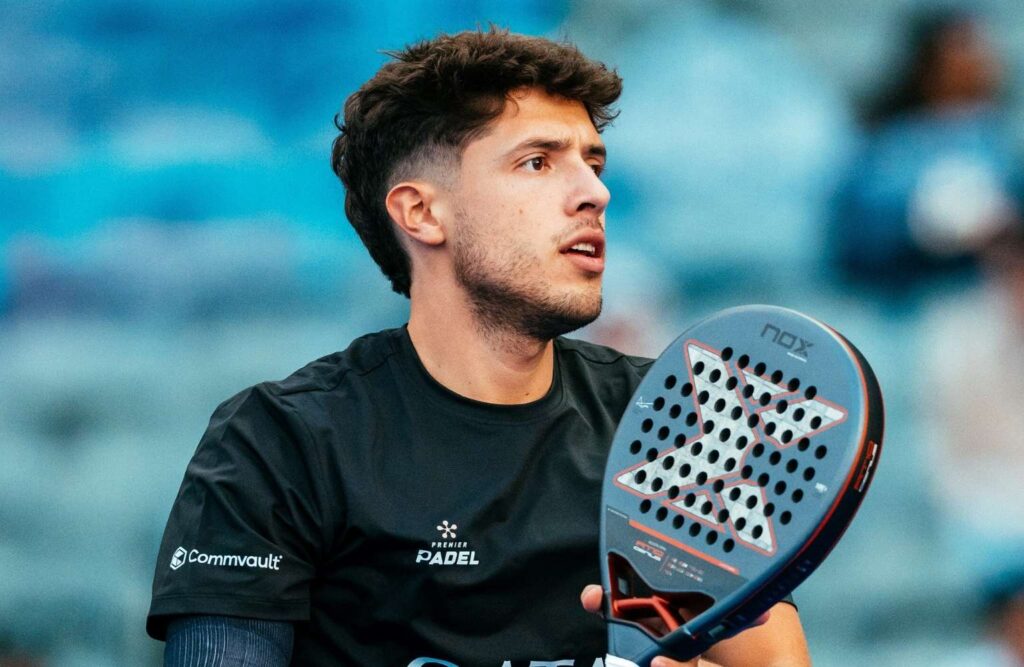
Three consecutive years as world number one. A career spanning a decade at the top of the professional circuit. A partnership that became one of the most celebrated in the sport’s history. Alejandro Galan has a record in padel that is genuinely extraordinary, and yet his story begins about as modestly as any great champion’s does. A kid growing up in Leganés, a working-class suburb of Madrid, whose apartment complex happened to have a padel court out front. He did not go looking for padel. Padel found him. What happened next turned that chance encounter into one of the most remarkable careers the sport has ever produced.
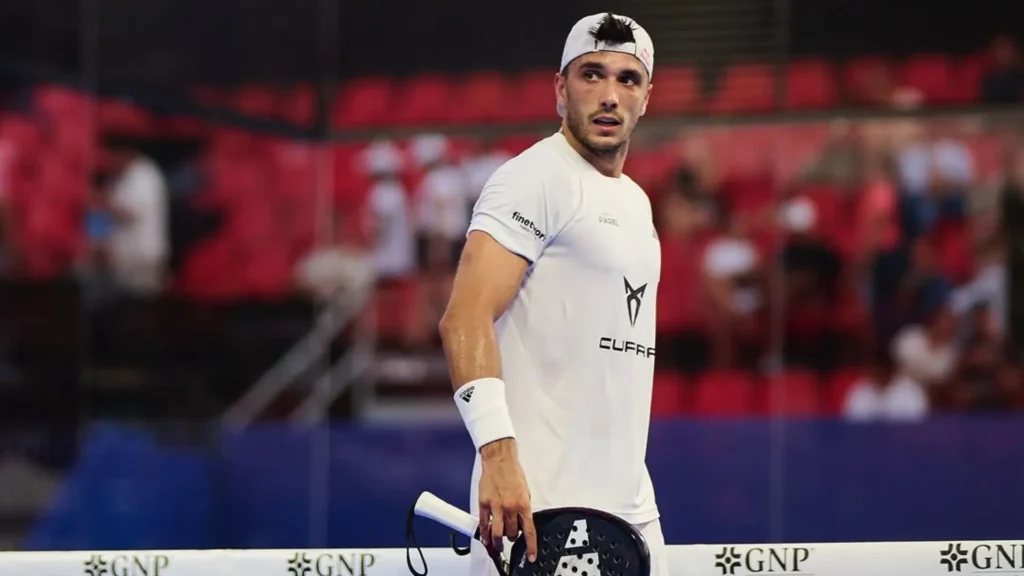
Growing Up With Padel
Alejandro Galan was born on May 15, 1996, in Madrid and grew up in Leganés. The apartment building where he spent his childhood had a padel court in the complex, and he and the other kids in the neighborhood played on it constantly. It was not serious training. It was just what they did. But the hours accumulated, the feel for the game developed, and the talent became impossible to ignore.
He was not just a padel player as a child. Football and basketball both competed for his attention, and he was good at both. The choice to commit to padel came around his early teenage years, and at 16 he earned a sports scholarship that formalized what had been an organic obsession.
His earliest sporting idol was not a tennis player or a padel professional. It was his sister, Alba Galán, who reached world number six in women’s doubles. Having a sibling performing at that level provided both inspiration and a realistic model of what professional padel could look like. It also kept the sport in the household conversation in a way that mattered during his formative years.
He joined the professional circuit at 18 in 2016, partnering with Juan Cruz Belluati. He was young, talented, and entirely unknown outside padel circles. That was about to change.
Finding His Partner in Juan Lebrón
The early years of Galan’s career were defined by the kind of progression that most professionals experience: a series of partnerships, each one teaching him something, gradually moving him up the rankings. He played alongside Belluati from 2016 to 2017, then paired with Matias Diaz in 2018, winning his first WPT title at the Valladolid Open. After Diaz came Juani Mieres in 2019, and then Pablo Lima, with whom he won the Valencia Open the same year.
Each partnership added to his development but none of them produced the results that followed.
In 2020, Galan teamed up with Juan Lebrón. The two had known each other since junior padel. Lebrón was right-handed, aggressive, and possessed one of the hardest smashes in the sport. Galan was a tactician with an exceptional ability to manufacture points from difficult positions. Together they created something that nobody in padel had quite seen before.
Their style was defined by power. Where many elite pairs preferred to build points through wall play and patient lob exchanges, Galan and Lebrón brought a more aggressive, almost tennis-like baseline intensity to the game. They took the ball early, attacked often, and finished with explosive volleys at the net. Opponents found them relentless and physically overwhelming.
Three Years at the Top
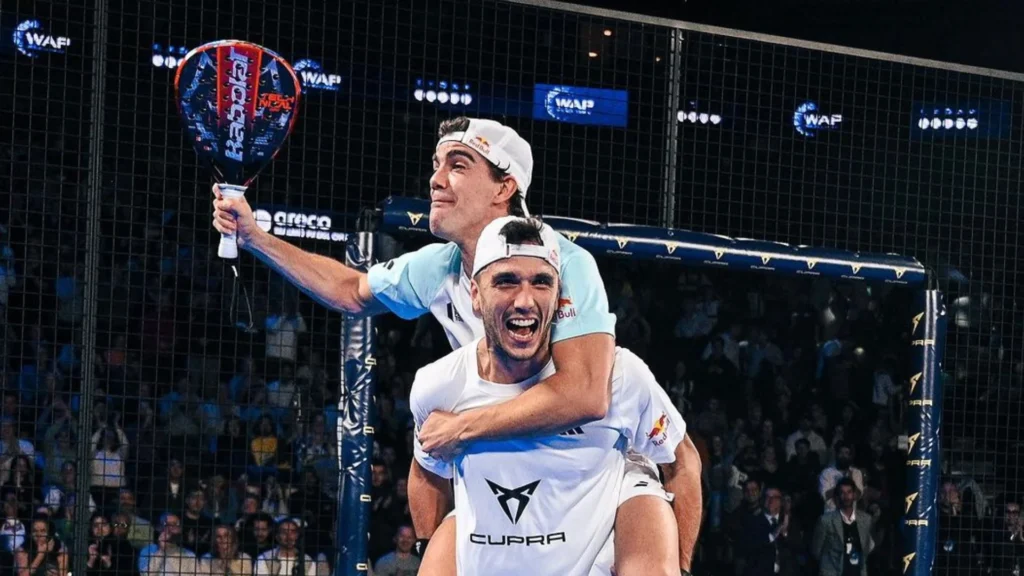
The Galan and Lebrón era ran from 2020 to 2022 and produced three consecutive years as world number one. During that period they were considered one of the most complete pairs ever assembled. Multiple WPT titles. Consistent performances across all conditions and surfaces. A level of dominance that aged well even after the rankings eventually shifted.
The tactical curiosity of the pair was that both players were right-handed. In most elite pairs, a left-right combination covers the centre with two forehands. Galan and Lebrón did not have that arrangement. They compensated with raw technique, superior movement, and the kind of aggressive ball-striking that made their backhand exchanges through the centre just as dangerous as a conventional formation. Their opponents did not have easy answers to the pace they generated.
Galan played the left side. Lebrón played the right. Between them they held the world number one position for three uninterrupted years, a record that still stands as one of the most consistent sustained achievements in the sport.
Life After Lebrón
By 2023, the rankings had begun to shift. Arturo Coello and Agustín Tapia emerged as the new dominant force, and the transition at the top was gradual but decisive. Galan moved through new partnerships in search of the right combination.
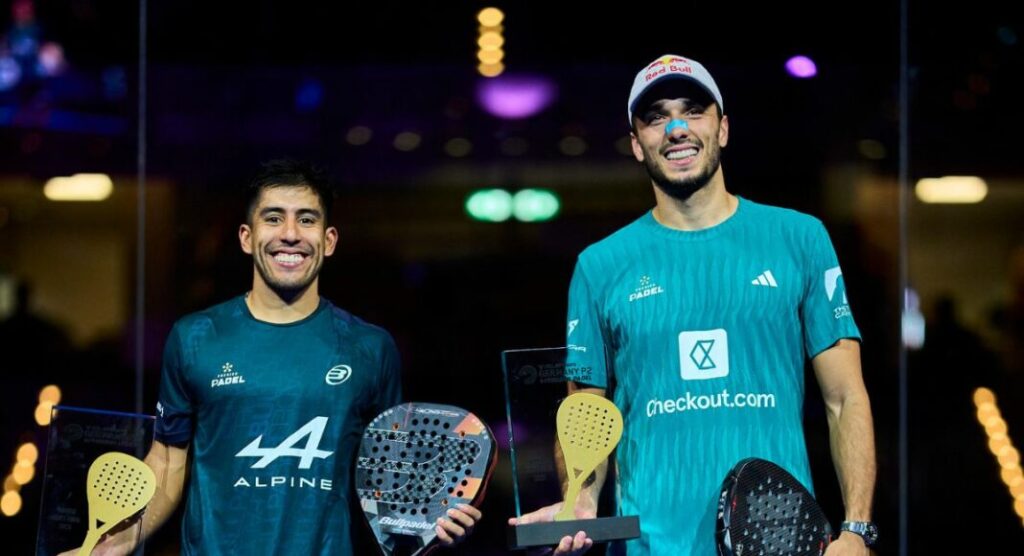
The answer came in the form of Federico Chingotto. The pair, quickly nicknamed “Chingalán” by fans, combined Galan’s tactical intelligence and left-side creativity with Chingotto’s precision, placement, and defensive excellence on the right. The chemistry worked. They won five titles in 2024 and seven in 2025. As of March 2026, Galan is ranked number three in the world on the FIP rankings. He is still, without question, one of the most dangerous players on the professional circuit.
The story did not end when the top ranking moved elsewhere. It simply continued.
What Makes Galan Special
At 1.86 metres, Galan has the physical tools to compete at the highest level, but what separates him from his peers is harder to measure. His ability to manufacture winners from positions that look completely hopeless is described by commentators and opponents alike as something close to impossible. Andoni Bardasco, one of the circuit’s most respected players, used a word that has stayed with him: Galan is “unbearable” to face. Not because he hits harder than everyone else but because he never seems to accept that a point is lost.
Trick shots. Off-the-back-wall winners. Diagonal lobs struck at full stretch with perfect weight. Galan does things on a padel court that simply do not appear in any coaching manual.
Off the court he has shown the same forward-looking instinct. In 2020 he founded the Professional Padel Players Association, an organisation representing professional players’ interests in negotiations with tour organisers and governing bodies. Becoming president of that organisation while simultaneously competing for world number one says something about how he views his role in the sport.
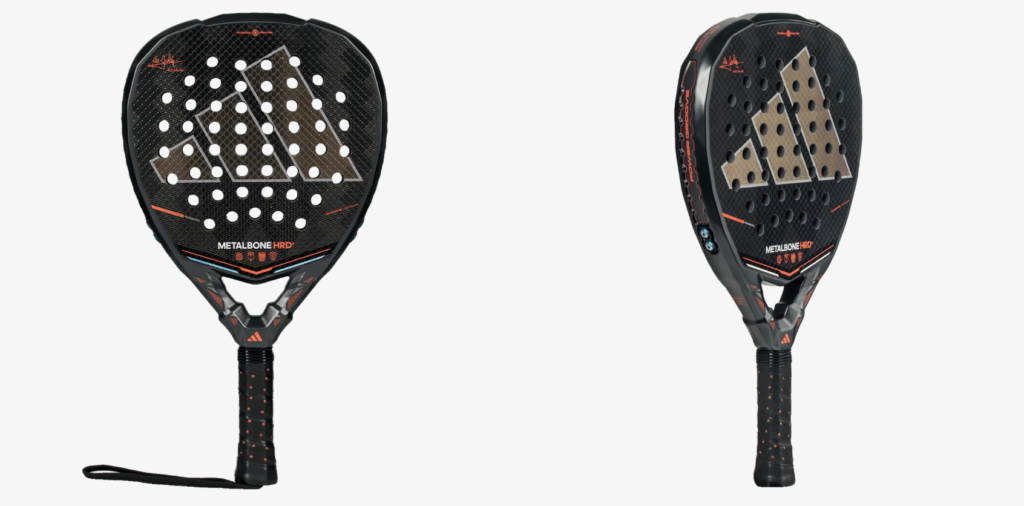
He is sponsored by Adidas and plays with the Adidas Metalbone 2026, the most customisable attacking racket in the Adidas lineup, built around the power-forward style that has defined his career. If you want to play with the same racket as one of padel’s greatest champions, the Metalbone 2026 is the place to start.
Buy on Amazon | Buy on Padel USA
To see how the Metalbone 2026 compares to the best attacking rackets on the market, check out our Best Padel Rackets for Power Players guide.
Frequently Asked Questions
How old is Alejandro Galan?
Alejandro Galan was born on May 15, 1996, making him 29 years old as of 2026. He joined the professional circuit at 18 in 2016 and has spent nearly a decade competing at the top level of the sport.
What racket does Alejandro Galan use?
Alejandro Galan uses the Adidas Metalbone 2026, his signature racket. It is a diamond-shaped, head-heavy attacking racket featuring Carbon Aluminized 16K faces, Soft Performance EVA core, Spin Blade Decal texture, and the Intelligent Balance System which allows players to customise the weight distribution using interchangeable plates.
Who is Alejandro Galan’s current partner?
As of 2026, Alejandro Galan’s partner is Federico Chingotto. The pair, nicknamed “Chingalán,” won five titles together in 2024 and seven in 2025, establishing themselves as one of the most consistent partnerships currently competing on the Premier Padel circuit.
Has Alejandro Galan ever been world number one?
Yes. Alejandro Galan was world number one for three consecutive years: 2020, 2021, and 2022, all alongside partner Juan Lebrón. That run remains one of the most sustained periods of dominance in modern padel history and placed him among the most decorated players the sport has produced.
Wrapping Up
Galan is padel’s elder statesman of the current generation, a player who has been at or near the top for nearly a decade. With a strong new partnership and still performing at the highest level at 29, he is proof that the sport rewards those who keep evolving. For anyone wanting to understand padel’s history and its present, his story is essential reading.