You show up to your first few padel sessions and you just use whatever padel balls are lying around the club. Old ones, new ones, that slightly deflated one someone left in the corner. It works fine at first because you’re still figuring out the game.
Then at some point, someone opens a fresh can of proper padel balls. You hear that pop. The balls feel tighter, bouncier, more responsive. The rallies feel different. And you start to realise that balls actually matter quite a bit in this sport.
Padel balls lose pressure faster than most people expect. They go dead, the bounce changes, and the whole game slows down in a way that makes things feel flat. Once you know what a fresh can feels like, you can’t go back to hitting around a tired ball.
So here’s what to look for, followed by the five best padel balls you can buy in the US right now.
What Makes a Good Padel Ball?
Padel balls look almost identical to tennis balls from a distance, but they’re built differently. They have lower internal pressure, which gives them the right bounce for a padel court. A regular tennis ball will bounce too high and make the game unplayable, so always make sure you’re buying actual padel balls and not tennis balls by mistake.
Beyond that, there are a few things worth paying attention to. Pressure retention is the big one. A good padel ball holds its pressure across multiple sessions rather than going flat after one match. Felt quality matters too. Higher-quality felt wears more slowly and behaves consistently even as the ball ages. Finally, look for balls that carry FIP (International Padel Federation) or WPT (World Padel Tour) approval. If a ball is good enough for professional tournaments, it’s good enough for your club session.
The 5 Best Padel Balls in 2026
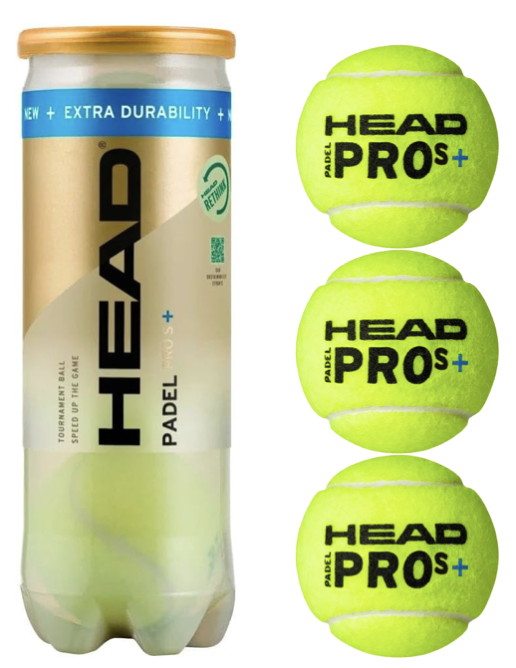
1. Head Padel Pro S ($7.49-$14.95 per can)
The Head Padel Pro S is about as close to a universal recommendation as you get in padel balls. It’s the official ball of the World Padel Tour and used at the highest level of competition, which tells you everything you need to know about its quality. The S stands for speed, meaning it’s designed for sea-level play and cooler conditions where a standard ball can feel a little sluggish.
For most players in the US, this is the right ball. It comes out of the can feeling responsive and holds that feel well across multiple sessions. If you’re playing regularly and want a ball that won’t let you down, start here.
Buy on Amazon | Buy on Padel USA
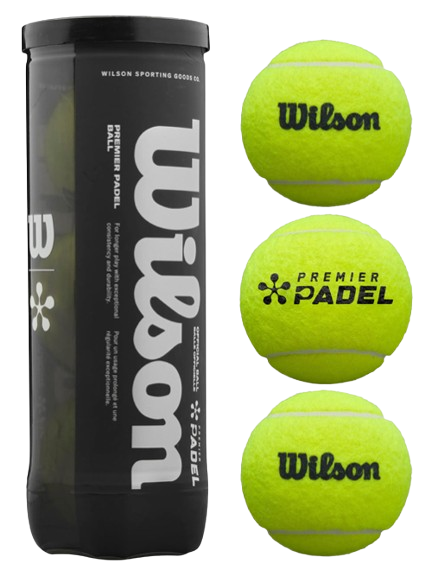
2. Wilson Premier Padel Ball ($7.00-$9.15 per can)
Wilson has been making quality racket sport equipment for over a century, and their padel balls bring that same reliability to the court. The Premier is Wilson’s workhorse ball, built for consistent bounce and durability across a range of playing conditions. The Duraweave felt technology is worth mentioning specifically because it absorbs less moisture and dirt than standard felt, which means the ball performs more predictably whether you’re playing indoors or out.
For recreational players who want a dependable ball at a solid price, the Wilson Premier is a great choice. It’s also widely available on Amazon, which makes restocking easy.
Buy on Amazon | Buy on Padel USA
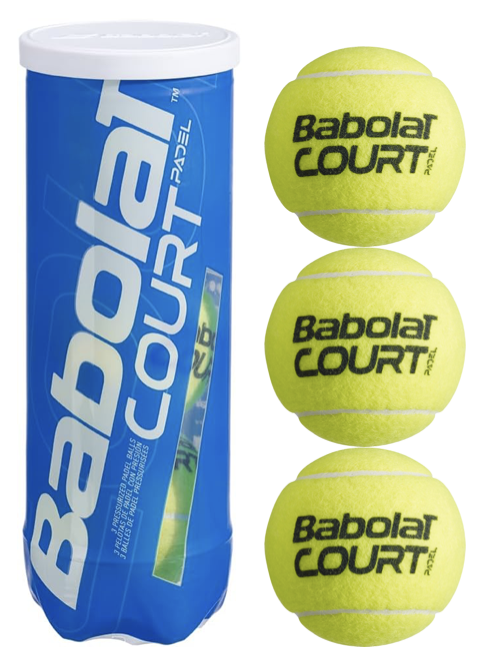
3. Babolat Court X3 Padel Balls ($7.50-$11.99 per can)
Babolat is one of the most respected names in padel, and the Court X3 is their everyday ball built for consistent club play. It offers a comfortable feel off the racket, good pressure retention, and the kind of reliable bounce that makes training sessions productive. Babolat designed this one specifically for players who play often and want a ball that stays consistent across multiple sessions without breaking the bank.
If you’re training regularly or playing in a group where you go through a lot of balls, the Babolat Court X3 is an excellent option. It also happens to be available on Padel USA, so you can bundle it with other gear in one order.
Buy on Amazon | Buy on Padel USA
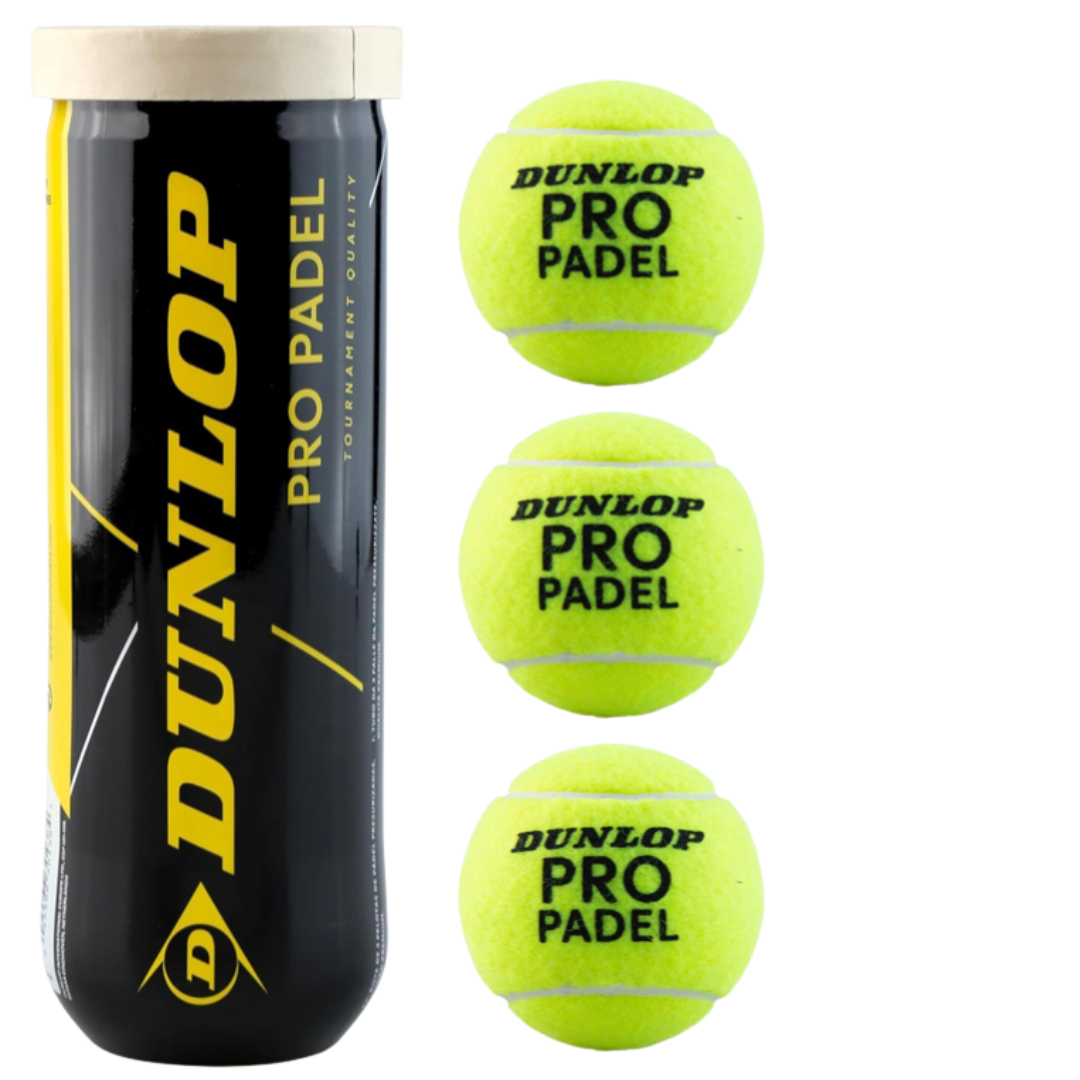
4. Dunlop Pro Padel Ball (~$13.00 per can)
Dunlop has been making quality racket sport equipment for decades and their Pro Padel ball is a solid, no-nonsense option for club players. It’s FIP approved, built with premium synthetic felt for durability, and delivers a fast flight with a high rebound that suits players who like a lively game. The ball holds up well across multiple sessions and is widely available on Amazon, making it easy to keep stocked.
If you play regularly and want a reliable ball from a trusted brand without spending a lot per can, the Dunlop Pro is worth having in your kit bag.
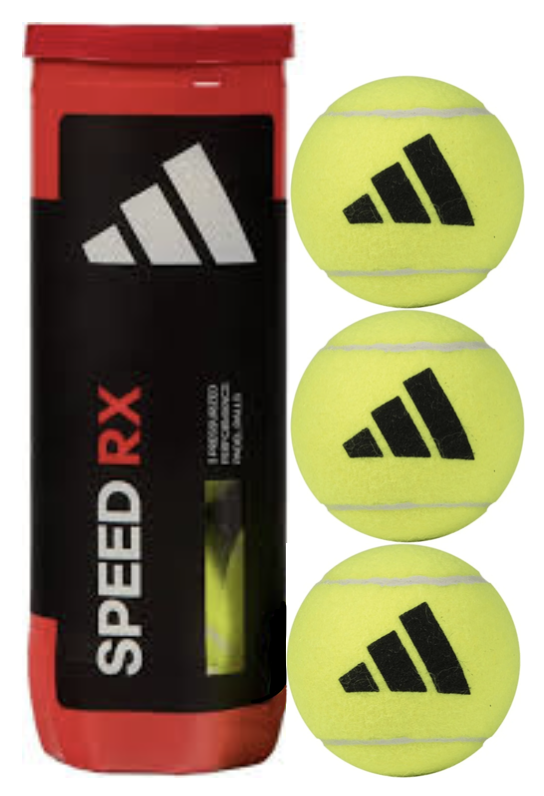
5. Adidas Padel Speed RX ($27.99 per can)
Adidas entered the padel market seriously and their Speed RX ball reflects that commitment. It’s a fast ball with excellent durability, designed specifically for players who want pace and a lively bounce from the moment they open the can. The felt holds up well and the ball stays consistent across extended play, which is what you want when you’re in the middle of a long match.
It sits at a slightly higher price point than some options on this list, but the quality justifies it. If you’re the kind of player who’s particular about how a ball feels and wants something that performs from first hit to last, the Adidas Speed RX delivers.
How Many Balls Do You Need?
For a casual session, one can of three balls is fine. If you’re playing a full match or training for a couple of hours, consider opening two cans. Balls lose pressure during play, and by the end of a long session on a single can, the difference in bounce is noticeable.
If you play two or three times a week, buying balls in multi-can packs works out considerably cheaper per can. Head and Wilson both sell boxes of 24 cans, which is good value if you’re going through balls regularly or sharing the cost with a regular group.
When Should You Replace Padel Balls?
The general rule is three to five matches per can, but it depends on the quality of the balls, the conditions you’re playing in, and how hard you and your group hit. Outdoor play in hot weather drains pressure faster. Indoor play is more forgiving.
The easiest test is simple: hold the ball at chest height and drop it. A fresh ball bounces back to roughly your waist. When a ball barely reaches your knee, it’s done. You can also just squeeze two balls together. If they compress easily, the pressure has gone and it’s time for a new can.
Some players use a ball pressuriser between sessions to extend the life of their balls. It’s not essential, but if you’re playing frequently and want to get a bit more out of each can, it’s worth looking into.
Final Thoughts
Balls are the cheapest part of your padel kit, but they have more impact on how the game feels than most beginners expect. The Head Pro S is the one to start with if you want the gold standard. For everyday club play, the Wilson Premier and Babolat Court X3 are both excellent choices that won’t cost a lot per session.
For gear recommendations beyond balls, check out our guide to get your kit sorted properly.
Affiliate Disclosure: Some links in this article are affiliate links. If you buy through them, we may earn a small commission at no extra cost to you. We only recommend gear we’d actually use.