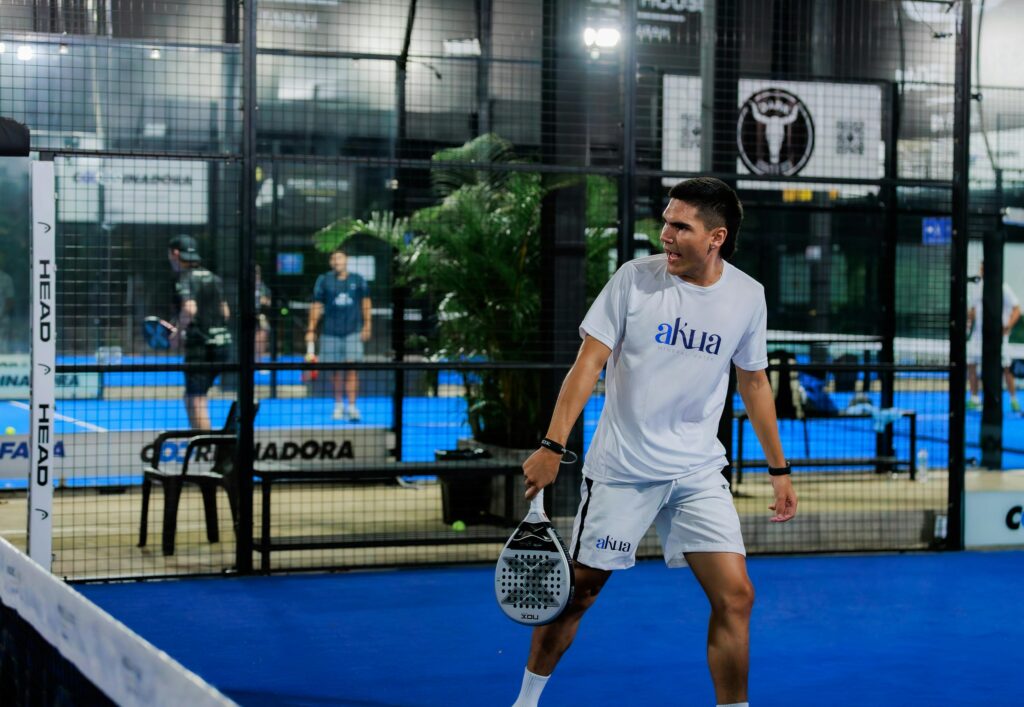
Here is something most new padel players do not realise: being left handed is actually a tactical advantage. In padel, a left handed player paired with a right handed partner almost always takes the right side of the court. That arrangement puts both forehands pointing toward the centre, which is the most contested zone in any rally. You are not just filling a position. You are creating a formation where both players can attack through the middle with their strongest shot. Arturo Coello, the world number one men’s player, is left handed and plays on the right. That is not a coincidence.
The right side role is built around control, consistency, smart placement, and fast hands at the net. Left handed players do not need a racket made specifically for them, but they do benefit from characteristics that suit what the right side demands. The best padel rackets for left handed players are ones that support that role: forgiving, fast, and precise. Here are the five best options available in the US in 2026, across a range of levels and budgets.
What Should a Left Handed Padel Player Look for in a Racket?
Shape is the starting point. Round rackets give right-side players the large sweet spot and consistent feel they need for defensive lobs, backhand exchanges, and steady placement under pressure. The sweet spot sits in the middle of the face, right where most right-side shots are struck. A teardrop shape is worth considering as your game develops because it adds some power to your attacking volleys and overheads without sacrificing too much control. For most left handed players at beginner-to-intermediate level, round is the right place to start.
Balance matters a lot on the right side. An even or low-medium balance keeps the racket fast in hand, which is exactly what you need for reaction volleys at the net and quick repositioning during long rallies. A heavy, head-loaded balance makes sense for attackers generating power on smashes, but right-side play is more about touch and speed than raw force.
Face material affects how comfortable the right side role feels over a full match. Right-side players hit a lot of shots along the side glass on their backhand, and a softer, more forgiving fiberglass or carbon hybrid face absorbs vibration better than a stiff full-carbon face. That comfort matters during extended defensive exchanges.
Maneuverability ties everything together. The right side player covers significant court and has to react quickly to hard shots coming through the middle. A lighter, faster racket helps you get there and respond without compromising your positioning. As your game develops and you start taking the ball earlier and attacking more from the right, a teardrop or more powerful option becomes worth exploring.
The 5 Best Padel Rackets for Left Handed Players in 2026
1. Wilson Optix V2 Lite 2026
Price: ~$139 | Buy on Amazon | Buy on Padel USA
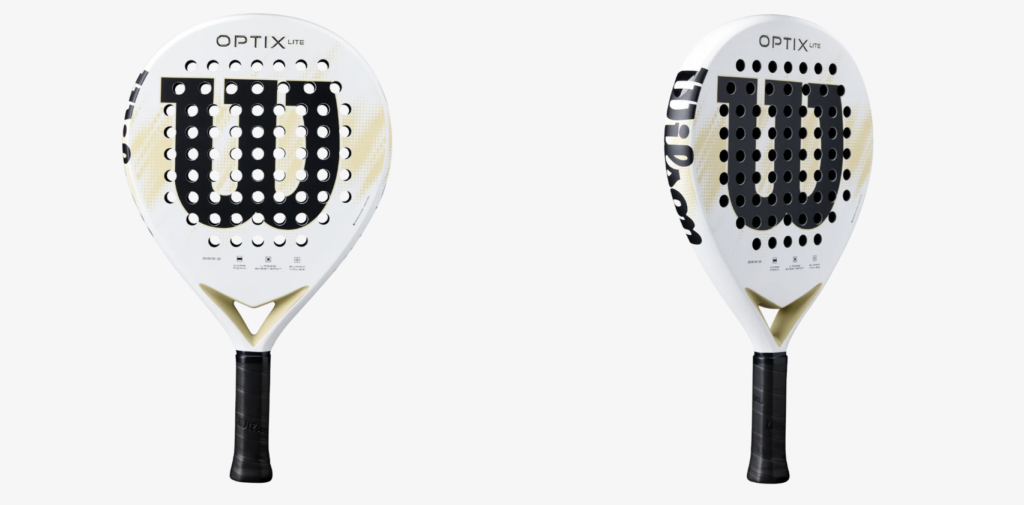
The Wilson Optix V2 Lite is the lightest and most forgiving option on this list, and for left handed beginners finding their feet on the right side, that is exactly what you want. The round shape gives you a wide, centred sweet spot that handles off-centre hits kindly and keeps returns consistent while you are still learning where the ball goes and how to position yourself on that side of the court. The low balance keeps it fast and easy to maneuver, which helps enormously when you are still developing your reaction time at the net.
The fiberglass face is soft and comfortable, and the EVA core absorbs vibration well on backhand contacts along the side glass. At $139 it is also the most accessible price point here, which makes it a sensible first racket before you know exactly how your game will develop.
The limitation is that it will feel limiting relatively quickly. Once your technique and court sense improve, you will want more responsiveness and power than this racket provides.
Best for: Left handed beginners getting comfortable on the right side.
2. Head Gravity Motion
Price: ~$210 | Buy on Amazon | Buy on Padel USA
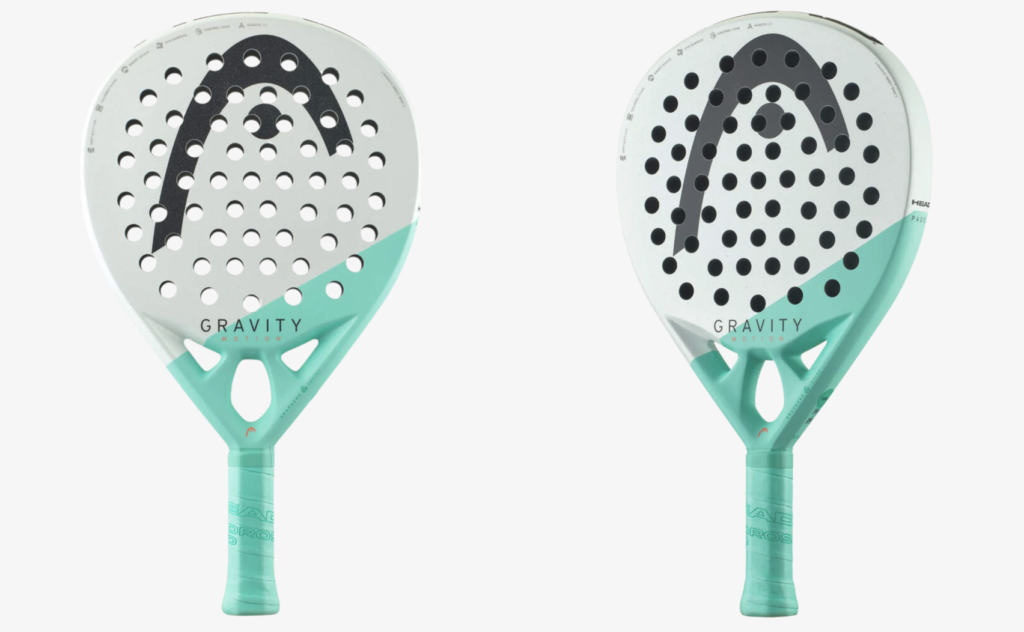
Head’s Gravity family is their dedicated control line, designed around placement, patience, and tactical padel. The Gravity Motion is the lighter version within that family and it suits the right side role very well. The round shape and low-medium balance give you the maneuverability you need for quick net exchanges, and the Comfort Foam core is genuinely easy on the arm during long defensive sessions.
Auxetic technology in the frame bridge is where this racket earns its keep for right-side players. On backhand volleys and defensive lobs, which are bread-and-butter shots for the right side, the Auxetic structure disperses vibration cleanly and gives you honest, stable feedback rather than the slight twist you can feel on less controlled frames. The carbon hybrid face adds just enough stiffness for clean ball contact without being harsh.
The limitation is power. If you are a left handed player who wants to attack aggressively from the right and put opponents under real pressure with heavy groundstrokes, the Gravity Motion will not give you enough. It is a control racket first and last.
Best for: Intermediate left handed players who prioritise control, consistency, and smart placement.
3. Adidas Cross It Light 2026
Price: ~$210 | Buy on Amazon | Buy on Padel USA
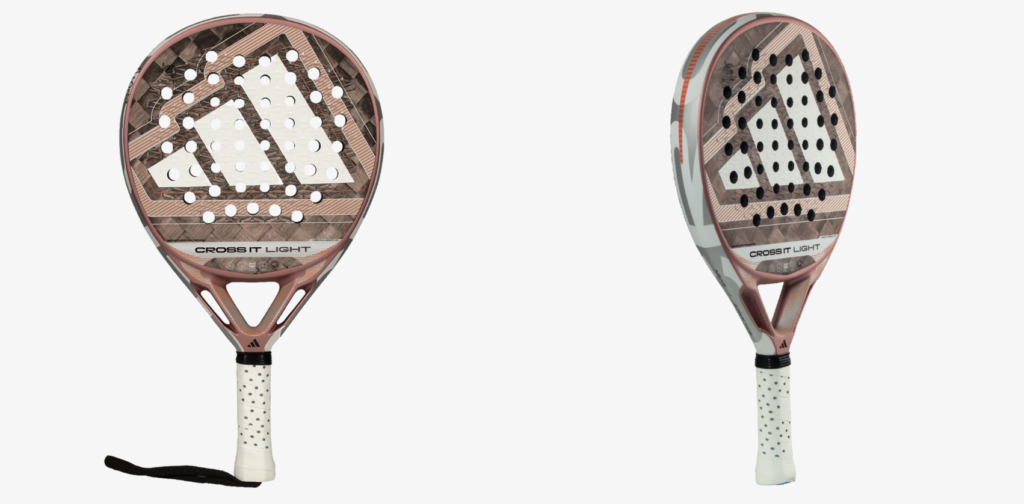
This is the racket most commonly recommended for right-side players, and for good reason. Martita Ortega, one of the best right-side players on the women’s circuit, uses it. The Dynamic Air Flow construction reduces drag through the swing, making it noticeably faster through the air than most rackets at this weight. That speed matters enormously on the right side, where reaction volleys at the net often give you a fraction of a second to respond.
The Spin Blade Mold is integrated directly into the racket mold rather than applied as a surface layer, which means the 3D texture generates consistent spin across the whole face on backhand slices, defensive lobs, and placement shots. The Smart Holes Curve hole pattern adds to that spin consistency. The even balance keeps defensive play stable while still allowing you to take the ball early and attack when the opportunity comes.
At $210 with this level of right-side-specific performance, it sits at excellent value for an intermediate-to-advanced player. The round shape does limit raw overhead power, but that is not what the right side is about.
Best for: Intermediate to advanced left handed players who want the ideal right-side tool.
4. Babolat Air Viper 2.6
Price: ~$340 | Buy on Amazon | Buy on Padel USA
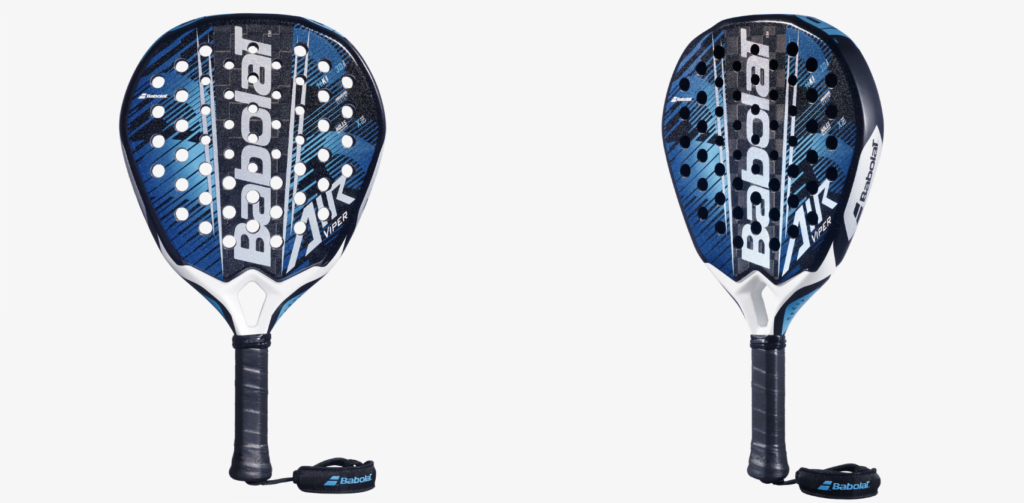
The Air Viper 2.6 is the step up for left handed players who have developed their game on the right side and are ready to add attacking play to their arsenal. The teardrop shape shifts the sweet spot slightly higher, which helps on early ball-taking volleys and aggressive net interceptions. The aerodynamic profile makes it one of the fastest teardrop rackets through the air in this price range, and right-side attackers who take the ball early need that swing speed.
The 16K Carbon face with a 3D Spin+ rough finish generates spin on backhand slices and placement shots alike, giving you the ability to put kick and curve on defensive lobs as well as on your attacking shots. The Vibrabsorb system handles vibration well for a carbon-faced teardrop, keeping extended sessions comfortable. At around 355 grams it is lighter than most teardrop options, which helps with repositioning between shots.
The medium-high balance is the honest trade-off. It is less suited for pure defensive right-side play and rewards players who are actively looking to attack rather than sit back and absorb.
Best for: Advancing left handed players who attack from the right and want pace and spin.
5. Head Coello Motion 2026
Price: ~$380 | Buy on Amazon | Buy on Padel USA
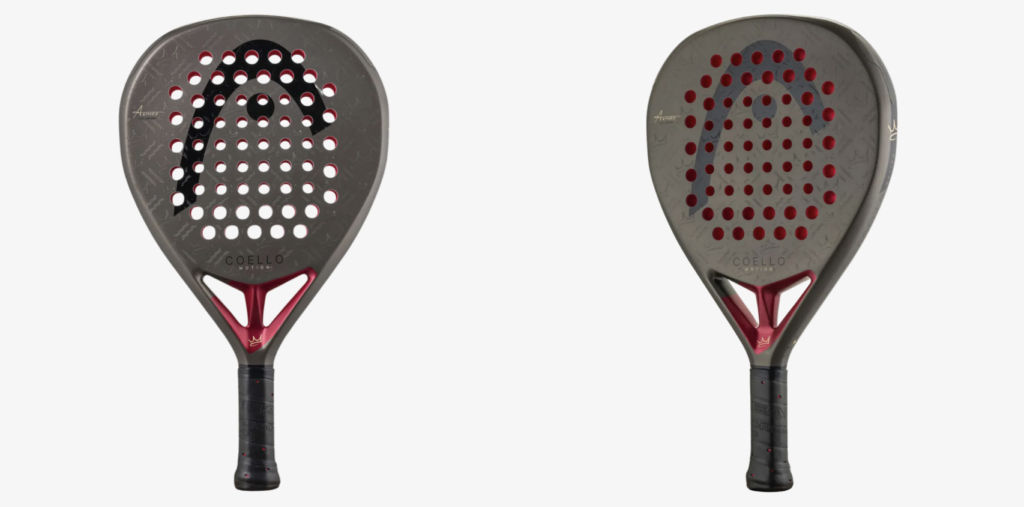
Arturo Coello, the world’s best left handed padel player, uses the Pro version of this racket. The Motion is the more accessible sibling, with slightly reduced weight and a less extreme balance that makes the diamond shape manageable for confident players who are not quite at pro level. The Extreme Spin 3D texture on the carbon hybrid face grips the ball hard on spin shots, and the Red Power Foam core delivers a firm, direct feel that rewards clean technique.
Auxetic 2.0 in the frame improves feedback stability on off-centre hits, which matters on a diamond racket where the sweet spot is positioned higher and mishits feel more pronounced. The Power Stabilizer construction adds torsional rigidity across the frame, keeping the racket from twisting on hard contacts.
This racket asks something of you. The diamond shape and medium-high balance require solid fundamentals to perform well. But for a left handed player who has put in the time, mastered the right side role, and wants to bring Coello-level aggression to their game, this is the most rewarding option on the list.
Best for: Advanced left handed players ready to attack from the right side.
Quick Comparison
| Racket | Shape | Price | Level | Best For |
|---|---|---|---|---|
| Wilson Optix V2 Lite 2026 | Round | ~$139 | Beginner | First racket, right side learning |
| Head Gravity Motion 2026 | Round | ~$210 | Intermediate | Control and consistency |
| Adidas Cross It Light 2026 | Round | ~$210 | Intermediate-Advanced | Ideal right-side all-rounder |
| Babolat Air Viper 2.6 2026 | Teardrop | ~$340 | Intermediate-Advanced | Attacking right-side play |
| Head Coello Motion 2026 | Diamond | ~$380 | Advanced | Maximum attacking power |
Frequently Asked Questions
Do left handed players need a special padel racket?
No, left handed players use the same rackets as everyone else. There are no left handed-specific padel rackets. What matters is choosing a racket that suits the right-side role that most left handed players occupy, which means prioritising control, maneuverability, and comfort over raw power for most levels of play.
Which side of the court should a left handed padel player play on?
Most left handed players play on the right side of the court. When paired with a right handed partner, this arrangement puts both forehands toward the centre of the court, covering the most contested zone in every rally. It is the standard formation at all levels of the game.
Why do left handed players play on the right side in padel?
Because placing both forehands through the centre creates the strongest possible attacking formation for a mixed pair. The centre of the court is where the most dangerous shots are played, and having both players able to cover that zone with their dominant forehand gives the pair a significant tactical advantage over a conventional setup.
What racket does Arturo Coello use?
Arturo Coello, the world number one men’s padel player, uses the Head Coello Pro 2026, which is his signature racket. It is a diamond-shaped, head-heavy attacking racket with Carbon Hybrid faces, Red Power Foam core, Auxetic 2.0 technology, and Extreme Spin 3D texture. The Head Coello Motion 2026 is the more accessible version of the same design, with slightly reduced weight and balance.
Can a left handed player play on the left side of the court?
Yes, and some do. Mixed left-right pairs sometimes choose to swap sides for tactical reasons, or a left handed player may find themselves on the left side when playing with another left handed partner. However, the right side is where left handed players create the most tactical advantage with a right handed partner, and most coaches recommend that formation for that reason.
Wrapping Up
Left handed players have a genuine natural advantage in padel when they commit to the right side role. The right racket makes that advantage sharper by supporting the control, quick hands, and smart placement that the position demands. For most left handed players, the Adidas Cross It Light 2026 is the strongest all-round choice. It is fast, spin-friendly, and purpose-built for right-side play at intermediate to advanced level. Advanced players who are ready to add real attacking punch should look at the Head Coello Motion 2026.
Whatever level you are at, lean into what makes the right side great: consistency, touch, and patience. To understand more about what to look for in a racket as your game develops, our How to Choose a Padel Racket guide covers the full picture.
Affiliate Disclosure: Some links in this article are affiliate links. If you buy through them, we may earn a small commission at no extra cost to you. We only recommend gear we’d actually use.