My friend Sarah played tennis for twenty years. Club matches, weekend lessons, the whole thing. She knew her forehand, she knew her backhand, and she was pretty comfortable with where she stood as a player.
Then someone dragged her to a padel court.
She came back talking about it for three days straight. Not because she was good at it (she absolutely was not, at first), but because it felt like nothing she’d played before. Familiar enough to understand, different enough to be genuinely exciting. She’s been playing padel twice a week ever since.
If you’ve heard about padel and you’re trying to figure out what it actually is, or if you’re a tennis player wondering whether it’s worth picking up, this is for you.
So What Is Padel?
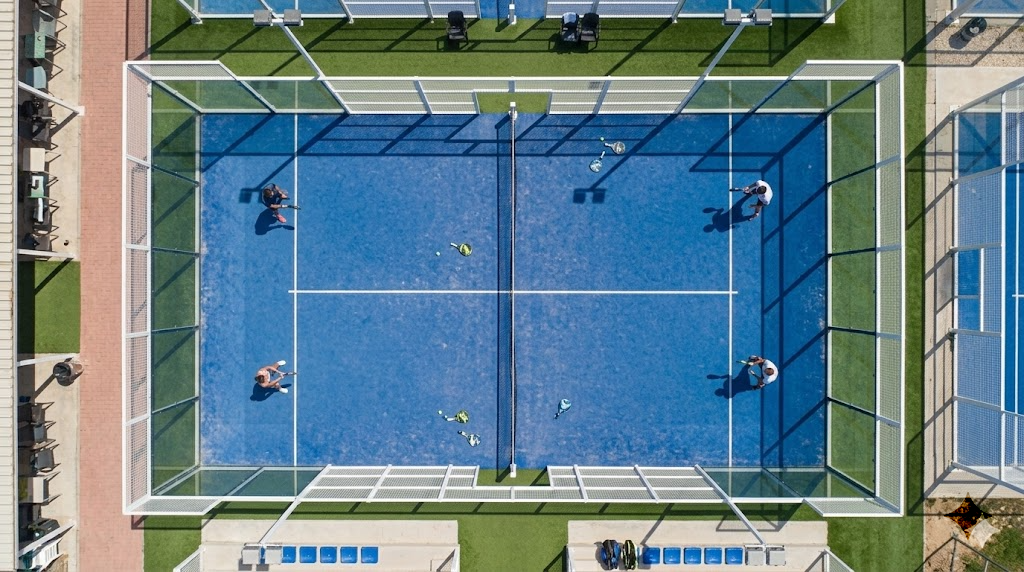
Padel is a racket sport that blends elements of tennis and squash. It’s played in doubles on an enclosed court about a third the size of a tennis court, with solid rackets and walls that are very much in play. It originated in Mexico in the late 1960s, became enormous in Spain and Argentina, and it’s now one of the fastest-growing sports in the world.
That’s the quick version. Now let’s get into what actually makes it different.
The Court
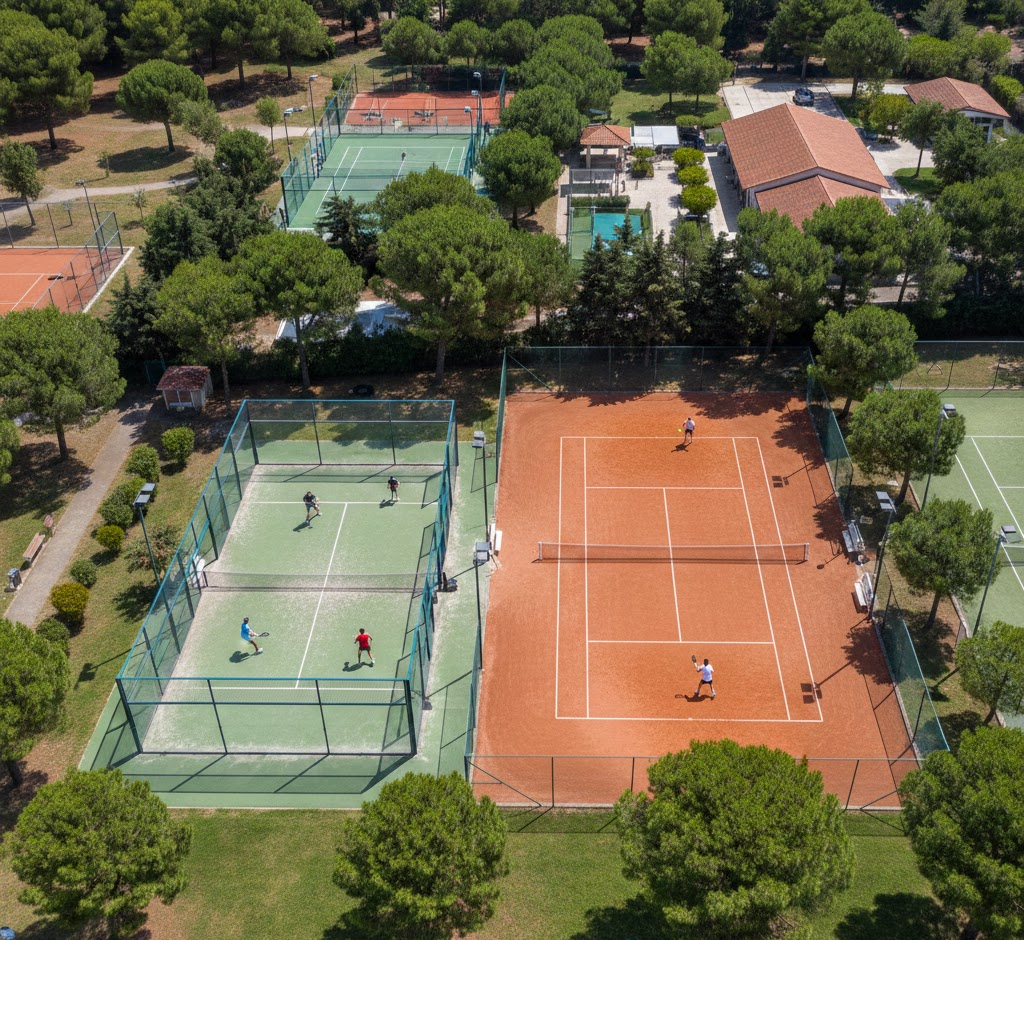
A tennis court is big. A padel court is not. Where a standard tennis court measures about 78 by 36 feet, a padel court comes in at roughly 65 by 32 feet for the full playing area, and that includes the walls.
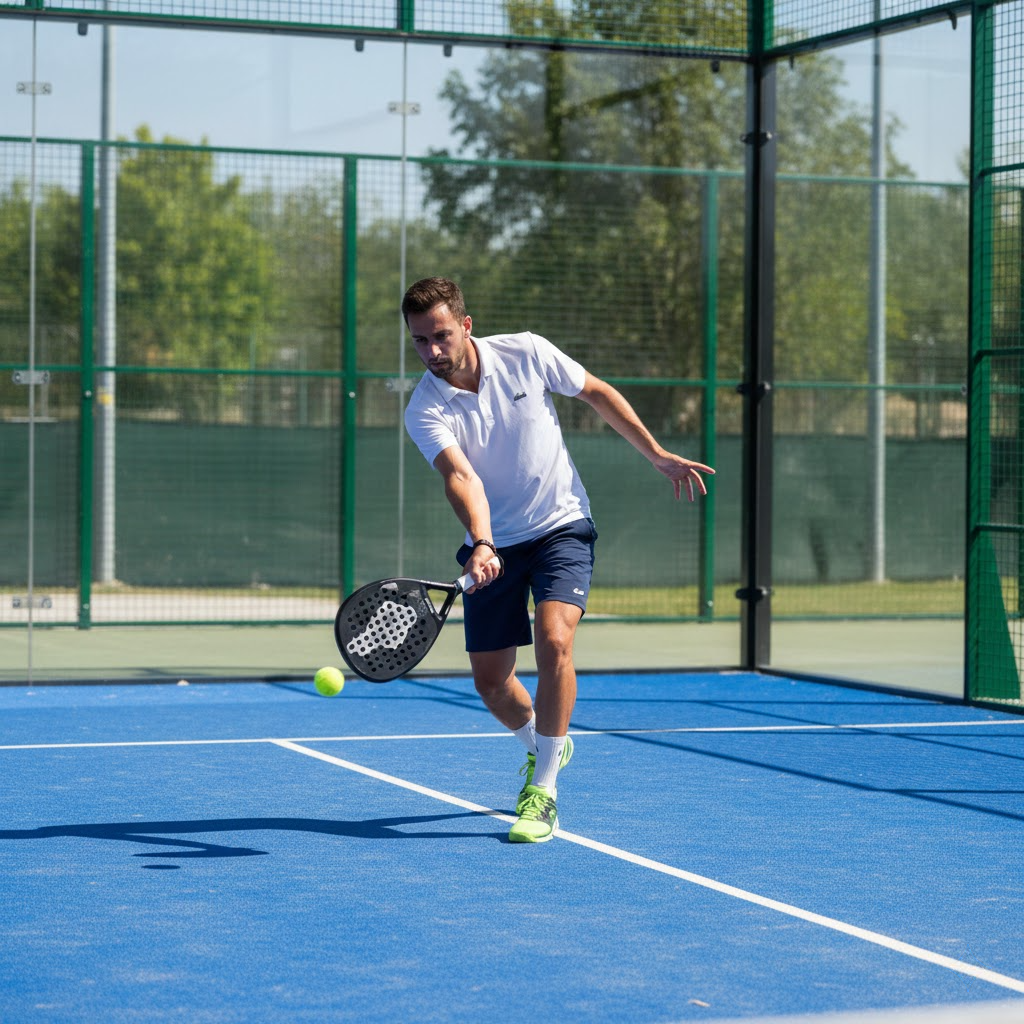
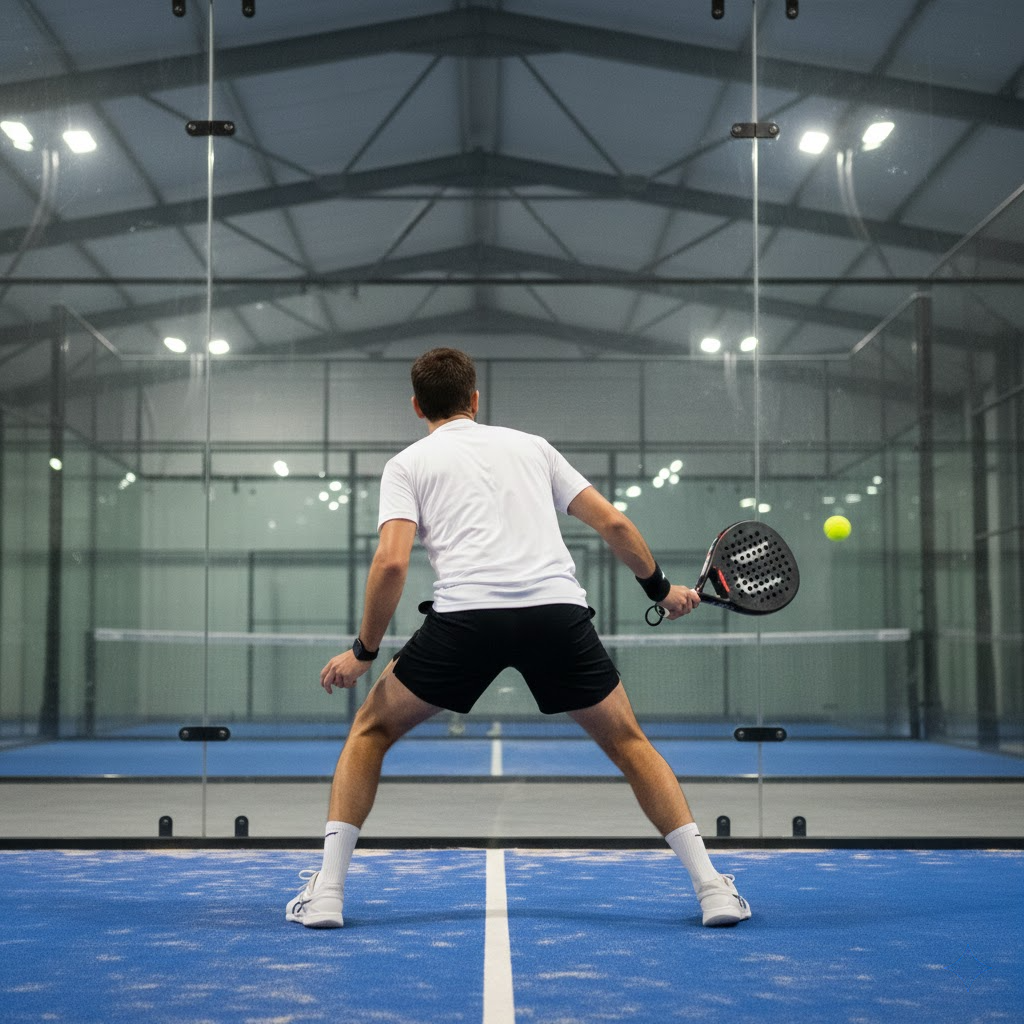
More importantly, those walls are the defining feature. They’re made of glass at the back and solid fencing on the sides, and the ball can bounce off them just like in squash. This completely changes how rallies play out. A ball that looks like it’s going out of bounds can come flying back off the back wall, and players learn quickly to position themselves with that in mind.
In addition, the surface is usually artificial grass with sand, which makes it a bit grippier underfoot than a hard tennis court. Easier on your knees, too, which is something a lot of older tennis players appreciate.
Because the court is enclosed and smaller, the game moves faster in some ways, but it’s also more forgiving. As a result, there’s less ground to cover, and the walls give you a second chance on shots that would be dead in tennis.
The Racket
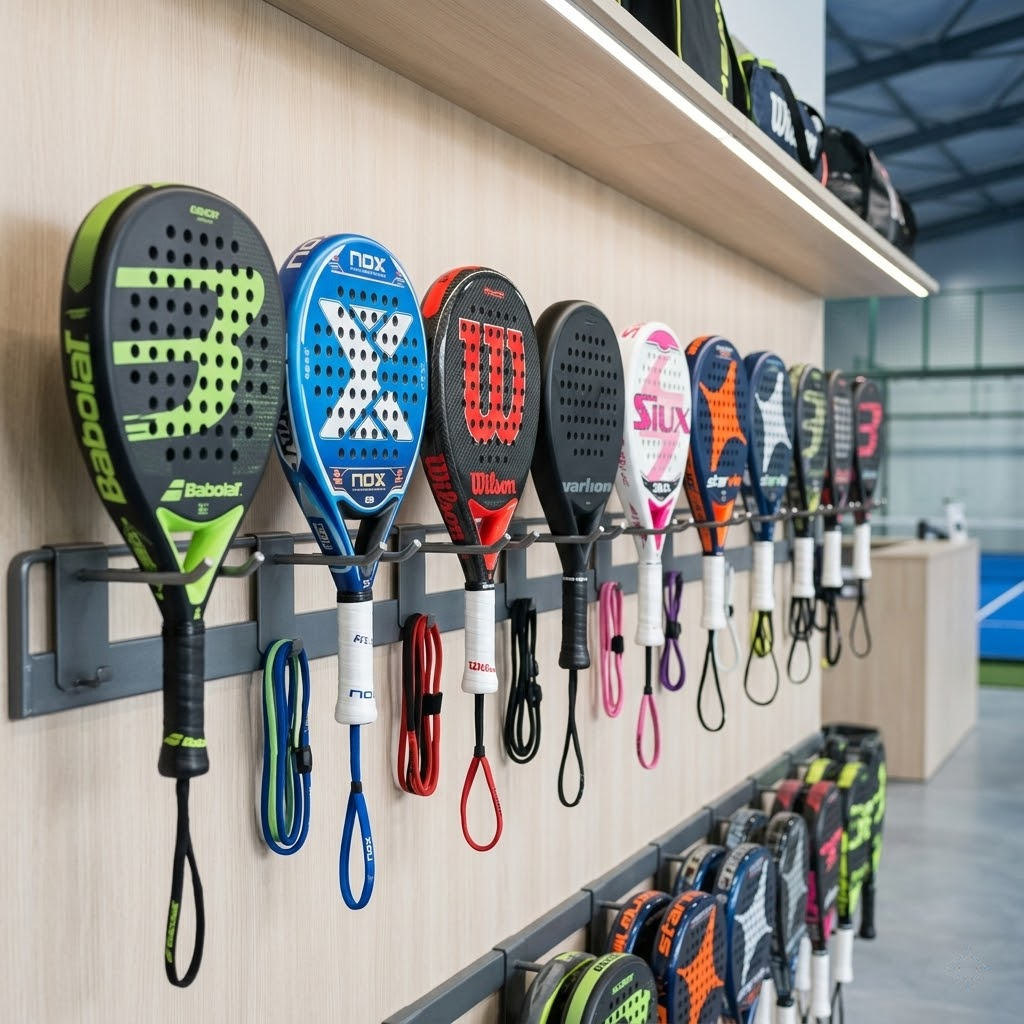
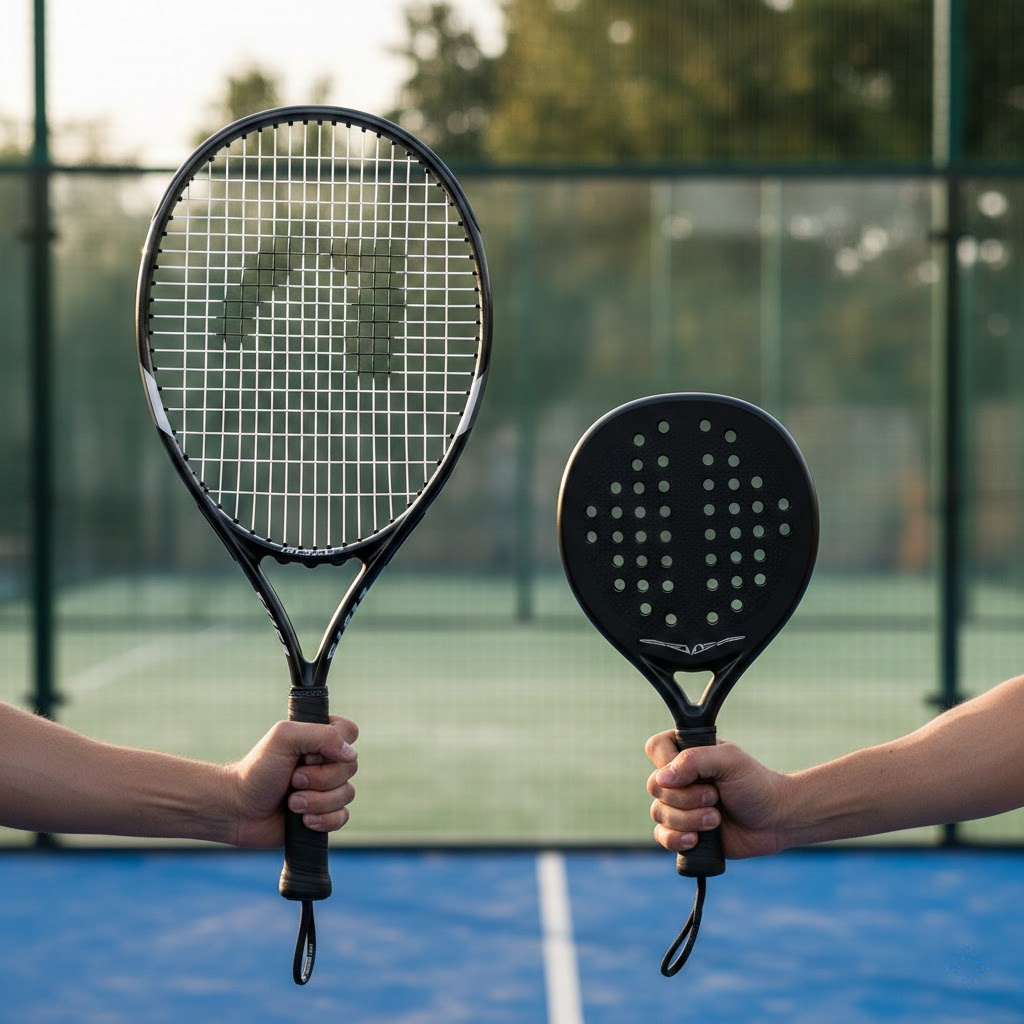
This is where it gets interesting for anyone coming from tennis. Padel rackets have no strings. They’re solid, made from fibreglass or carbon fibre, with a perforated face full of small holes. They look a bit like an oversized ping-pong bat.
Because there are no strings, there’s no tension to adjust and no sweet spot in the traditional sense. As a result, the ball behaves differently off the face. You get less power than a tennis racket naturally generates, which is actually part of the design. The enclosed court means if everyone was hitting full tennis power, the game would be unplayable.
Padel rackets are also shorter. You can’t use a standard tennis racket in padel, and you wouldn’t want to even if you could. The shorter length, combined with the solid face, gives you much more control on touch shots and at the net, which is where a huge amount of padel is actually won and lost.
If you’re wondering which racket to start with, check out our guide to the best padel rackets for beginners for some tried and tested recommendations.
The Scoring
Good news: if you know how tennis is scored, you already know how padel is scored. Sets, games, deuce, advantage. It’s all identical. Games go 15, 30, 40, game. You play sets, usually best of three. Tiebreaks work the same way.
This is one of the reasons tennis players tend to feel at home in padel almost immediately. The tactical language of the game is familiar even when everything else feels new.
The Serve
In tennis, the serve is a weapon. Big servers in professional tennis win entire matches on the strength of their first delivery. In padel, the serve is not a weapon. It can’t be.
Padel has a strict underarm serve rule. You have to let the ball bounce once before hitting it, and you must strike it at or below hip height. The serve goes diagonally into the service box, same as tennis, but you’re not allowed to smash it down from above your shoulder. The ball also has to bounce once on the ground before a player can return it in general play.
This levels the playing field considerably. There are no 130mph serves coming at your head. The point starts more gently, which means rallies develop and the real game begins faster. For beginners, this is a huge relief.
The Walls
Here’s where padel stops feeling like tennis entirely and starts feeling like something new.
After the ball bounces once on the ground, it can hit a wall and still be in play. Players can use the back and side walls deliberately, playing the ball off the glass just like in squash. This opens up a whole category of shots that simply don’t exist in tennis. For example, you can hit the ball back into the glass behind you and have it travel back over the net. You can also position yourself to receive a wall rebound that your opponent thought was a winner.
For beginners, the walls mostly just feel confusing at first. Balls keep coming back when you think the point is over. You lose track of where to stand. However, within a few sessions, the walls start to feel less like chaos and more like opportunity. That’s when padel really clicks.
The back wall in particular changes the defensive game completely. In tennis, a ball hit hard and deep to the baseline is almost always a winner or a forced error. In padel, by contrast, experienced players can retrieve those balls off the back wall and turn defence into attack. Points last longer. Comebacks happen more often. It keeps things interesting right to the end.
To see what wall play actually looks like in action, this beginner padel highlights video on YouTube gives a good feel for how the walls change the game.
The Social Side
Padel is always doubles. There’s no singles version of the game. The sport was designed from the beginning to be played four to a court. This has shaped padel’s culture in a way that’s genuinely different from tennis.
Because you always play with a partner, padel is inherently more social. You can’t just turn up and hit alone. You need three other people, which means the sport tends to build community naturally. Most padel clubs have a strong social atmosphere, with players rotating partners, staying for a drink after, and generally treating it more like a social occasion than a competitive grind.
This doesn’t mean padel isn’t competitive. It absolutely is. But the fact that you’re always playing with someone else adds a dimension of communication and teamwork that pure singles sports don’t have. A lot of people who come to padel for the sport end up staying for the people.
Which One Is Easier to Learn?
Padel is easier to pick up as a complete beginner. The smaller court means less running. The underarm serve is much more accessible than a tennis serve. The walls are forgiving in a way that a baseline isn’t. And because the racket requires less technique to generate decent shots, you can have a proper rally within your first session.
Tennis, on the other hand, has a steeper initial learning curve. The serve alone takes months to develop properly. The footwork required to cover a full court is considerable. As a result, many beginners find their first few sessions in tennis frustrating because they spend more time chasing balls than actually playing.
Overall, padel gets you into a real game faster. That’s one of the main reasons it’s growing so quickly.
Can Tennis Players Pick Up Padel Quickly?
Yes, and most do. The scoring is identical, the court positioning has some crossover, and if you’ve spent years training your hand-eye coordination on a tennis court, it will serve you well in padel.
That said, tennis players do have one specific habit to unlearn: the full swing. In tennis, you generate power through a long, full stroke. In padel, however, that same swing will send the ball flying into the back fence every time. The padel game rewards compact, controlled strokes. The first few sessions for tennis players often involve consciously shortening everything: backswing, follow-through, all of it.
The serve is also a mental adjustment. Tennis players who’ve spent years developing a powerful overhead serve have to set all of that aside and lob the ball underarm instead. It feels anticlimactic at first. Then you realise it doesn’t matter because the point that follows is often much better than anything a big serve would have produced.
In the end, most tennis players become genuinely capable padel players within a month of regular play. Some find they prefer it.
Why You Should Try It
If you haven’t played padel and you have any interest in racket sports at all, just go. Book a court, find three other people, and give it an hour. You won’t need much instruction to have a good time, and you’ll almost certainly want to come back.
For tennis players especially, padel offers something rare: a sport close enough to feel familiar, but different enough to feel like learning something new. You get to be a beginner again, in the best possible way.
Sarah’s still playing twice a week. She hasn’t quit tennis, but she’s made room for padel. Most people who try it do the same.