Something unusual is happening in sport right now. Courts are being built at roughly one every two and a half hours. A game that barely existed outside Spain and Argentina a decade ago now has active players in over 150 countries. People who try it for the first time keep coming back, at a rate of 92 percent after just one session. Padel is the fastest growing sport in the world, and the numbers behind that claim are striking. This is not hype. This is what the data actually shows
The Numbers: How Big Padel Actually Is
Let’s start with the headline figure. According to the FIP World Padel Report 2025, more than 35 million people play padel worldwide. In 2018, that number was fewer than 8 million. That is a fourfold increase in seven years, and growth is still accelerating.
The court count tells the same story. As of early 2026, there are over 77,000 padel courts globally across more than 24,600 clubs in 150 nations. In 2025 alone, over 14,000 new courts were built. Europe leads the way. Spain has nearly 17,000 courts. Italy has around 9,700. Argentina has 7,000. In Spain and Sweden, padel courts now outnumber tennis courts. That is not a quirk of local culture. It is a signal of where racket sports are heading.
The professional circuit has scaled to match. Premier Padel now broadcasts to over 180 countries. FIP-organised tournaments grew from 182 in 2024 to 290 in 2025. Prize money is rising year on year. The sport is also pushing for inclusion as a demonstration event at the Brisbane 2032 Olympics, which would add another level of global legitimacy entirely.
Why Padel Specifically?
There are plenty of sports that generate buzz and then plateau. Padel has not plateaued, and there are clear reasons why.
It Is Easy to Pick Up
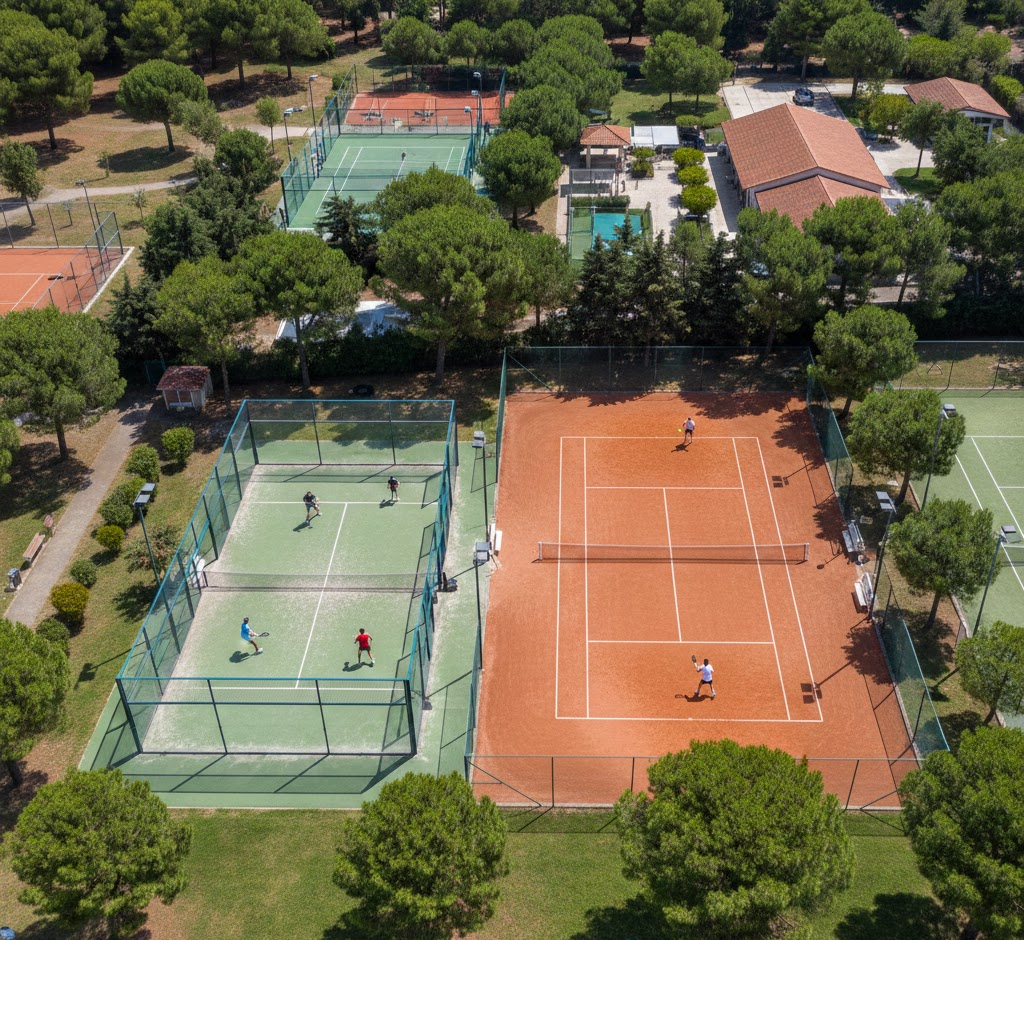
The most important factor is accessibility. The court is smaller than a tennis court, enclosed by glass and metal walls, and always played in doubles. The walls are in play, which sounds complicated but actually makes rallies longer and more forgiving. Mishits stay on the court. Beginners are rallying within minutes of their first session.
Compare that to tennis. Learning to serve properly takes weeks. Developing a reliable backhand takes months. Most beginners spend several early sessions just struggling to keep the ball in play. Padel skips that painful stage almost entirely. That is a big part of why the 92 percent return rate exists.
It Is Built Around People
The social structure of padel matters more than most people realise. Because it is always played in doubles, you are automatically part of a team. You need other people to play, which means clubs become genuine communities. Sessions feel more like an occasion than a workout. That social pull converts casual players into regulars faster than almost any other sport.
There is also the fitness angle. Padel delivers a proper cardiovascular workout without the joint stress of running or squash. The pace is fast and the agility demands are real. It attracts older players who want competition without physical punishment, and younger players who want something more engaging than a gym session.
How Padel Is Growing in the United States
The US is behind Europe and South America, but catching up fast. According to the State of Padel in the U.S. Report 2025, there were 688 padel courts operating across 31 states as of mid-2025. Over half of those courts were installed since January 2024.
Where the Growth Is Happening
Florida leads the country, accounting for around 41 percent of all US courts, with Miami as the clear hub. Texas, California, and New York follow. New clubs are opening in Chicago, Houston, and Dallas. The Northeast is seeing a wave of indoor facilities, making the sport viable year-round in colder climates.
The player count has surpassed 112,000, up from fewer than 100,000 in 2023. US Padel Association membership grew from 163 members in 2020 to nearly 2,000 by 2025. Player participation has increased by an estimated 250 percent since 2022.
There is still an infrastructure gap. Spain has roughly one court for every 3,000 people. The US sits at around one court for every 505,000 people. That gap is part of the opportunity. Every new court that opens is immediately in demand, and clubs in Miami, Los Angeles, and New York consistently report sessions booked out weeks in advance.
The Celebrity and Investor Effect
No sport reaches the mainstream without visibility from people others pay attention to. Padel has attracted a remarkable roster of investors and advocates.
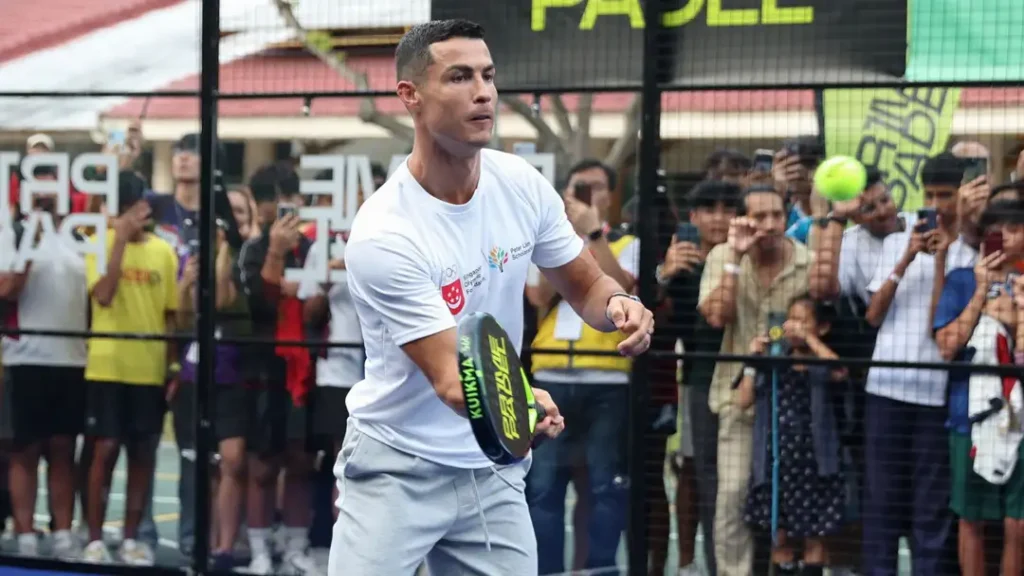
Lionel Messi and Sergio Aguero co-lead a Hexagon Cup team through their Kru Padel venture. Messi also had a padel court built at his home in Barcelona. Cristiano Ronaldo invested in multiple padel clubs in Portugal through his CR7 company. Andy Murray co-founded Game4Padel, now the UK’s leading padel court operator. Zinedine Zidane built padel courts into his Z5 sports complexes across France. Rafael Nadal is building nine courts at the Rafa Nadal Academy in Malaga. Tom Holland hosted the first BERO Padel Classic pro-am as both player and investor. UK rapper Stormzy invested in Padel Social Club in London in 2024. Mark Cuban invested in padel club development in Florida and Texas in 2023.
Why Their Involvement Matters
These are not token endorsements. They are financial commitments from some of the most recognisable people in global sport and culture. When Messi posts from a padel court, that reaches hundreds of millions of people. When Murray builds courts, it shifts how the UK public perceives padel. The cumulative effect has moved padel from a niche pursuit into a genuine mainstream conversation very quickly.
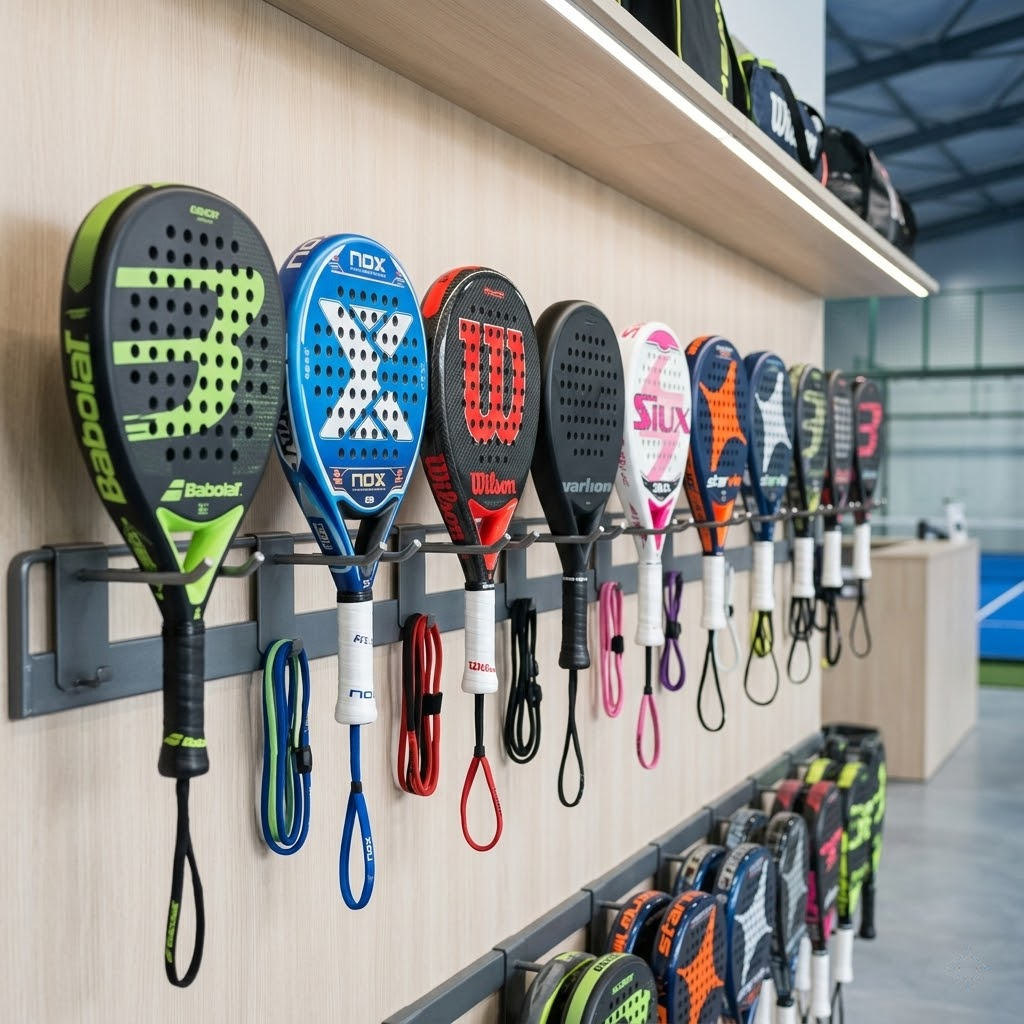
Major equipment brands followed the money. Adidas, Head, Babolat, and Wilson all have significant padel lines. The US gear market alone reached an estimated $10 million in 2024, with brands projecting 70 percent growth for 2025.
The Professional Game as a Growth Engine
Premier Padel is the most visible driver of padel’s global profile. It has staged events at iconic venues including Roland-Garros in Paris. The Riyadh P1 in early 2026 attracted large viewership and introduced millions of new fans to the professional game.
Alongside Premier Padel, the CUPRA FIP Tour provides a pipeline of developing players from emerging padel nations, with over 355 tournaments across 36 countries. Television and streaming audiences have grown by 20 to 30 percent year on year. That growing media footprint creates a new generation of fans who are also players. That is the most powerful recruitment tool any sport can have.
What This Means If You Are Just Getting Started
The timing is good. Courts are opening across the US at a pace that has not existed before. Most people starting padel now are learning alongside others who are equally new to the game. The community is welcoming.
You do not need a lot of gear to start. A racket, some balls, and court shoes are all it takes. Our How to Find a Padel Court Near You guide will help you locate somewhere close. Our Padel Rules for Beginners covers what you need to know before your first session. And our Padel vs Tennis: What’s the Difference? breakdown is worth a read if you are coming from another racket sport.
The sport is growing. The infrastructure is being built. Now is a good time to start.
Frequently Asked Questions
Why is padel the fastest growing sport in the world?
Padel combines a very low barrier to entry, a social doubles format, and a high return rate: 92 percent of new players come back after their first session. The sport is growing across 150 countries, with a new court opening every two and a half hours globally. High-profile investment from celebrities and athletes has accelerated mainstream awareness significantly.
How many people play padel worldwide?
According to the FIP World Padel Report 2025, more than 35 million people play padel worldwide, up from fewer than 8 million in 2018. About 60 percent of players are in Europe, with Spain as the largest market, followed by South America at 23 percent. North and Central America account for around 7 percent but are among the fastest-growing regions.
Is padel growing in the United States?
Yes, significantly. As of mid-2025, there were 688 padel courts across 31 states, with over half built since January 2024. The US player base has passed 112,000, and participation has grown by an estimated 250 percent since 2022. Florida, Texas, California, and New York are the leading markets.
Why is padel more popular than tennis in some countries?
In countries like Spain and Sweden, padel has grown faster than tennis because it is easier to learn, more social, and easier on the joints. The walls keep the ball in play longer, which makes the game enjoyable from the very first session. The doubles format builds stronger club communities and drives higher retention rates than singles tennis.
Which celebrities play padel?
Lionel Messi, Cristiano Ronaldo, David Beckham, Rafael Nadal, Andy Murray, Serena Williams, Eva Longoria, Tom Holland, Zinedine Zidane, and Stormzy are among the most prominent celebrity padel players. Several have made active investments, including Murray with Game4Padel, Ronaldo with clubs in Portugal, Messi with the Hexagon Cup, and Holland with the BERO Padel Classic.